Quick Summary
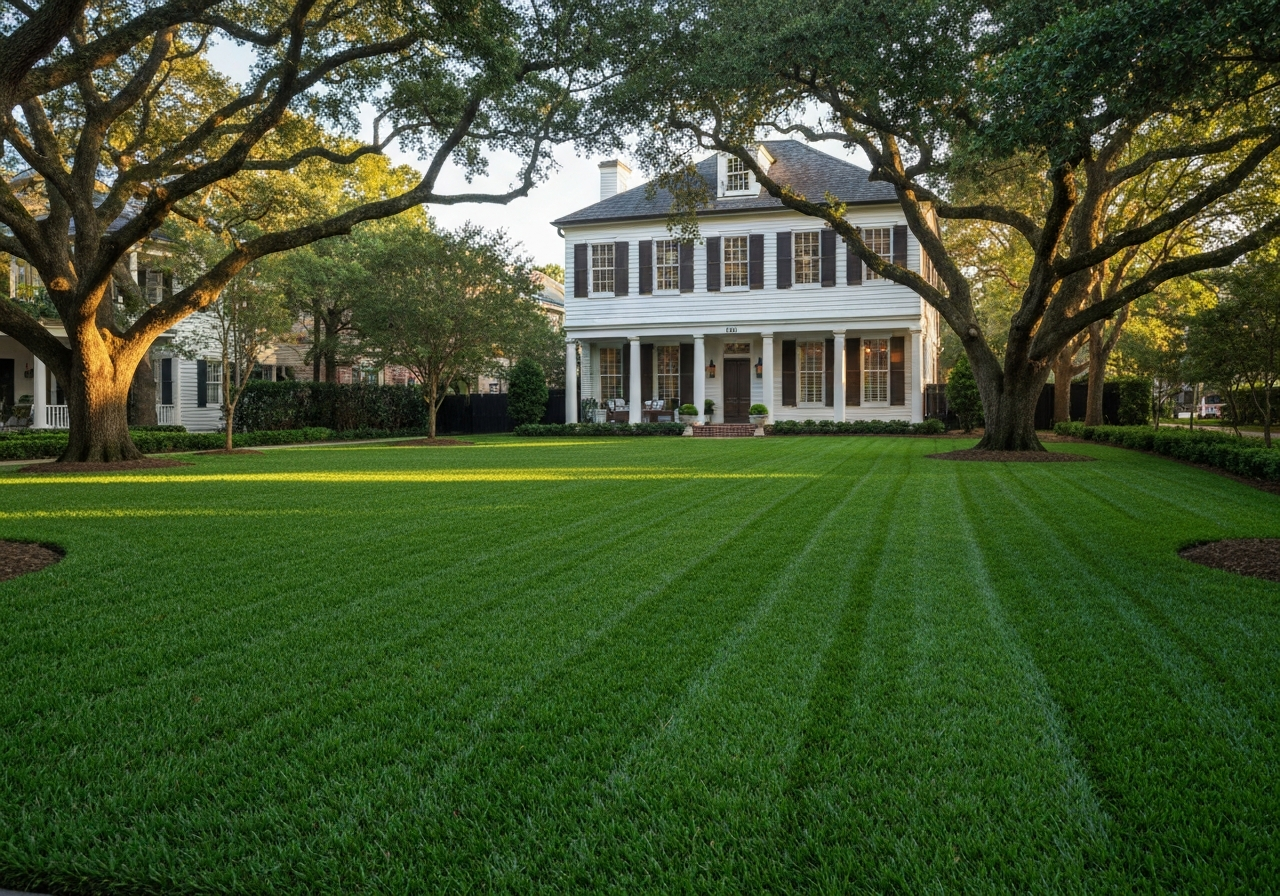
Fall overseeding with annual ryegrass keeps a New Orleans lawn green through the winter dormant period, but it is not the right choice for every grass type or every homeowner. Bermuda grass responds best because it goes fully brown in dormancy and benefits the most from the visual improvement ryegrass provides. St. Augustine lawns should not be overseeded. Zoysia stays partially green through mild Louisiana winters and generally does not need it. Big Easy Sod serves homeowners across Greater New Orleans and recommends overseeding only when the long-term grass health trade-offs are understood, particularly the spring transition timing that directly affects how well the underlying warm-season lawn recovers.
Last Updated: May 2026
Overseeding a New Orleans lawn in fall means spreading cool-season annual ryegrass seed over a dormant warm-season base to maintain green color through Louisiana’s winter months. Big Easy Sod recommends it selectively: Bermuda grass lawns in Greater New Orleans benefit the most because Bermuda goes fully brown and straw-colored in dormancy, and ryegrass provides a dramatic visual improvement. St. Augustine lawns should not be overseeded, and Zoysia rarely needs it. Homeowners who proceed with overseeding need a clear plan for the spring transition, because ryegrass that is not managed correctly at green-up delays the underlying warm-season lawn’s recovery. For homeowners weighing fall lawn care priorities, the case for fall lawn aeration in Louisiana is worth reading alongside this one.
What Is Overseeding and How Does It Work on Louisiana Grass?
Overseeding is the process of broadcasting cool-season grass seed directly over a dormant warm-season lawn without removing the existing turf. In Louisiana, the seed used is almost always annual ryegrass, which germinates quickly in fall temperatures between 50 and 65 degrees Fahrenheit and provides green coverage through winter. When soil temperatures rise above 85 degrees Fahrenheit in late spring, the ryegrass dies naturally and the underlying Bermuda, Zoysia, or St. Augustine resumes active growth.
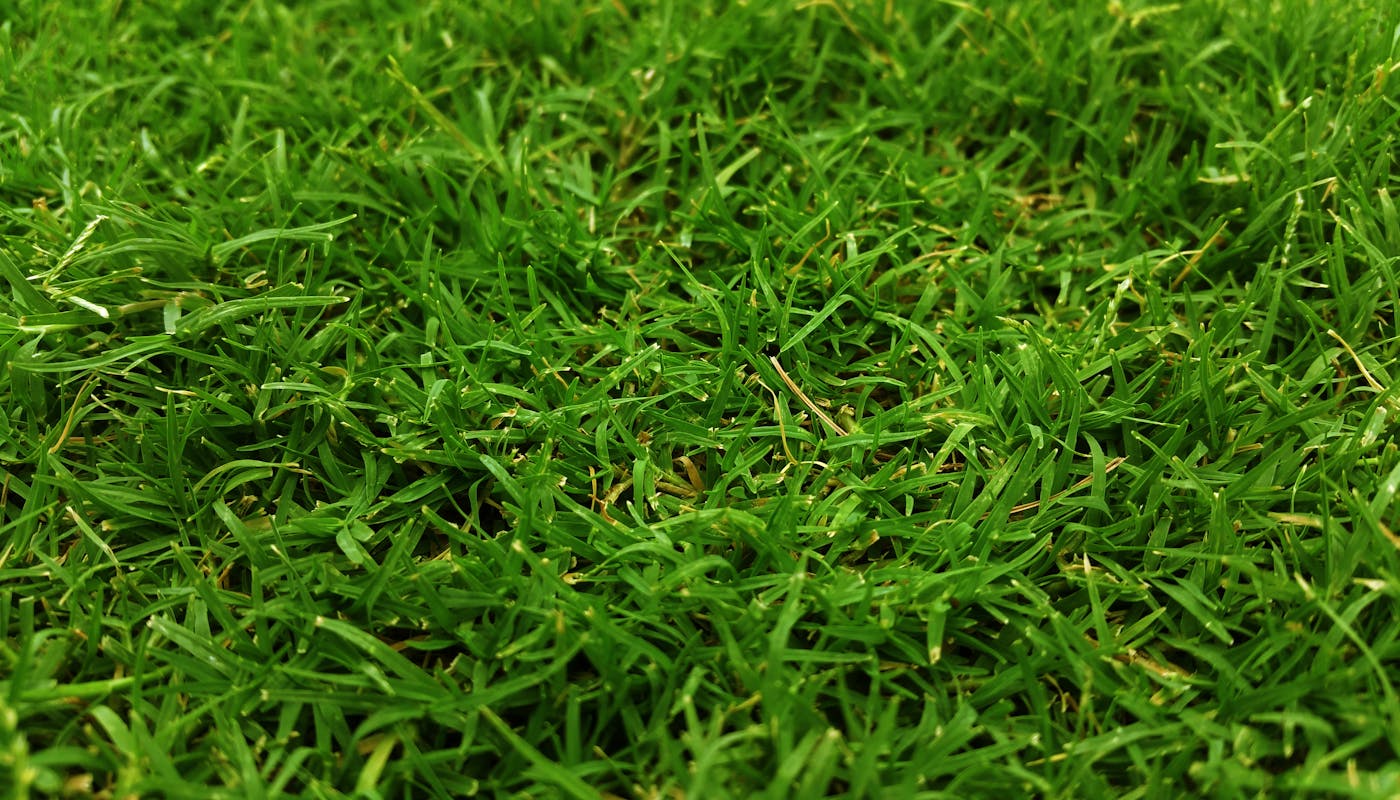
The result, when done correctly, is year-round visual green coverage instead of the 3 to 4 months of dormant brown turf that Bermuda grass shows through a typical Louisiana winter. The trade-off is competition: ryegrass competes with the underlying warm-season grass for light, water, and nutrients at green-up in spring, which can delay recovery by two to four weeks if the transition is not managed correctly.
Which New Orleans Grass Types Benefit Most from Fall Overseeding?
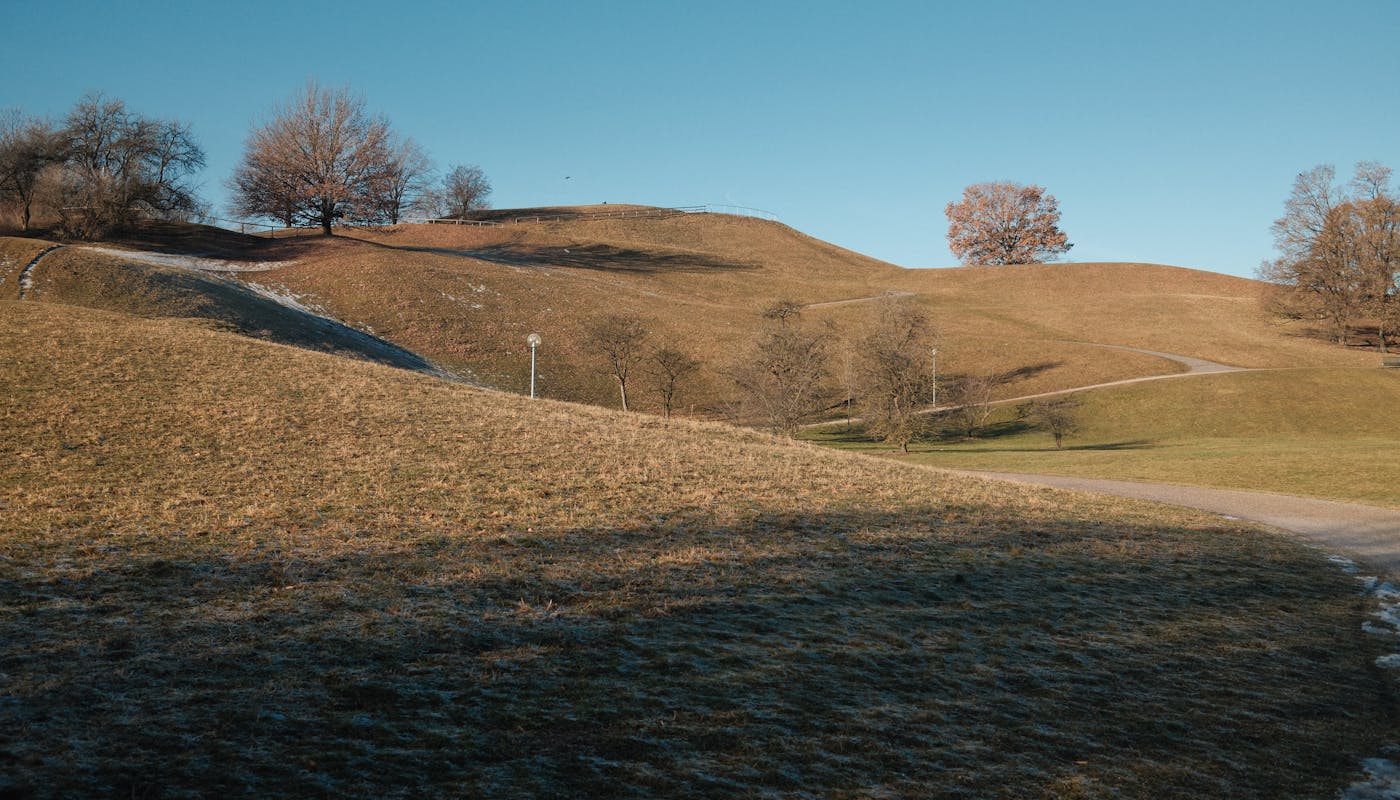
Bermuda grass is the clear winner for overseeding in Greater New Orleans. Bermuda goes completely dormant and brown when soil temperatures drop below 55 degrees Fahrenheit, which happens reliably in Louisiana from December through February. Annual ryegrass provides the most dramatic visual improvement over that brown Bermuda base, and Bermuda’s aggressive spring growth pushes through the dying ryegrass without significant assistance.
Zoysia grass stays semi-green through mild Louisiana winters and typically does not benefit enough from overseeding to justify the spring transition management. St. Augustine grass should never be overseeded. St. Augustine has a dense growth habit that blocks ryegrass germination unevenly, creates compaction at the thatch layer, and is far more sensitive to the nitrogen competition that ryegrass creates at spring green-up. Overseeding St. Augustine consistently produces more problems than it solves. Homeowners with St. Augustine lawns looking for a fall lawn care plan should focus on aeration and soil prep rather than overseeding.
| Grass Type | Overseed With Ryegrass? | Why / Why Not | Spring Transition Difficulty |
|---|---|---|---|
| >Bermuda | >Yes | >Goes fully dormant in winter; ryegrass fills the brown gap | >Low. Bermuda comes back aggressively |
| >Zoysia | >Usually No | >Stays semi-green in mild winters; ryegrass competes with spring green-up | >Medium. Transition timing is tricky |
| >St. Augustine | >Never | >Dense growth pattern blocks ryegrass germination; plugging risk | >N/A |
| >Centipede | >Not recommended | >Sensitive to competition; overseeding can set back recovery | >High. Slow spring regrowth |
When Does Overseeding Create More Problems Than It Solves?
Overseeding creates problems most often when the spring transition is handled incorrectly. If ryegrass is allowed to stay thick and green into April and May, it competes directly with the waking warm-season grass at its most critical establishment window. The result is a patchy, stressed lawn that takes the entire growing season to recover. Three situations where overseeding typically causes more harm than good:
- St. Augustine lawns in any condition. The grass type does not transition well and the spring recovery is consistently poor.
- Lawns that went into fall with thin coverage, bare spots, or pest damage. Ryegrass seed on bare soil comes in thick but leaves the underlying problems unaddressed, and the spring competition makes recovery harder.
- Homeowners who cannot commit to the spring management steps: reducing ryegrass irrigation in April, mowing low to stress the cool-season grass, and withholding nitrogen until the warm-season lawn is clearly dominant.
Homeowners considering Big Easy Sod for a lawn replacement rather than overseeding have that option if the underlying lawn is in poor enough condition that a fresh install makes more sense than working around it.
How Do You Overseed a New Orleans Lawn Correctly?
Correct overseeding in Louisiana follows a specific sequence. Mow the existing lawn short, down to about 1.5 inches, before seeding so the ryegrass seed makes contact with the soil rather than resting on top of grass blades. Aerate the lawn first if the soil is compacted, which also improves seed-to-soil contact. Broadcast annual ryegrass seed at 5 to 10 pounds per 1,000 square feet. Apply a light topdressing of sand or compost to hold moisture around the seed. Water lightly twice daily until germination, typically 7 to 10 days. Reduce watering frequency once the ryegrass is established.
The timing window matters. Seeding before soil temperatures drop to the 65-degree range, which in New Orleans typically means waiting until late October or early November, produces uneven germination and weak coverage. Seeding too late in November risks germination that doesn’t finish before the first cold snap.
For homeowners who overseeded last year and are managing their fall prep more broadly, the full winter preparation steps for New Orleans lawns covers the other fall care priorities that work alongside or instead of overseeding.
How Do You Transition Ryegrass Out in Spring Without Damaging Your Lawn?
Spring transition is the step most New Orleans homeowners get wrong. The goal is to stress the ryegrass enough that it dies back before it significantly delays warm-season green-up. Start reducing ryegrass irrigation in April as soil temperatures climb toward 80 degrees Fahrenheit. Mow low, at 1 inch, to reduce the ryegrass canopy and let more sunlight reach the underlying Bermuda or Zoysia. Withhold nitrogen fertilizer until the warm-season grass is clearly dominant, then apply a full feeding at green-up to support recovery.
Do not apply pre-emergent herbicides in spring on an overseeded lawn. Pre-emergents are applied in fall on non-overseeded lawns to prevent winter weed germination, but they block ryegrass germination as well. Homeowners who overseed need to skip the fall pre-emergent application and manage winter weeds manually instead. Call Big Easy Sod at (504) 608-3321 to talk through a fall lawn plan specific to your grass type and property in Greater New Orleans.
Frequently Asked Questions
Should you overseed St. Augustine grass in New Orleans?
No. St. Augustine grass should not be overseeded with annual ryegrass in New Orleans. The dense growth habit of St. Augustine blocks even seed germination, and the spring competition from ryegrass consistently delays St. Augustine recovery at green-up. Big Easy Sod recommends focusing on aeration and soil prep for St. Augustine lawns in fall rather than overseeding.
What type of seed is used for overseeding in Louisiana?
Annual ryegrass is the standard seed for overseeding in Louisiana. It germinates quickly at fall soil temperatures between 50 and 65 degrees Fahrenheit, provides green coverage through the Louisiana winter, and dies naturally when soil temperatures rise above 85 degrees Fahrenheit in late spring, allowing the underlying warm-season grass to recover.
When should you overseed in New Orleans?
Late October through early November is the correct window for overseeding in New Orleans. Seeding before soil temperatures drop to the 65-degree range produces uneven germination. Waiting too late in November risks incomplete germination before the first cold snap reduces soil temperatures below the germination threshold.
Does overseeding hurt your lawn in the long run?
Overseeding done correctly does not cause permanent damage. Overseeding managed incorrectly, particularly when the spring ryegrass transition is delayed, can set back the warm-season lawn’s recovery by two to four weeks or longer. The greatest risk is on lawns that were already thin or stressed going into fall, where ryegrass competition at green-up worsens existing problems rather than masking them.
Can you skip pre-emergent herbicide if you plan to overseed in fall?
Yes. Pre-emergent herbicides applied in fall prevent winter weed germination, but they also block ryegrass seed germination. Homeowners who plan to overseed must skip the fall pre-emergent application and manage winter weeds by hand or with post-emergent products if needed. Re-apply pre-emergent the following fall once overseeding is no longer planned.