Last Updated: May 2026
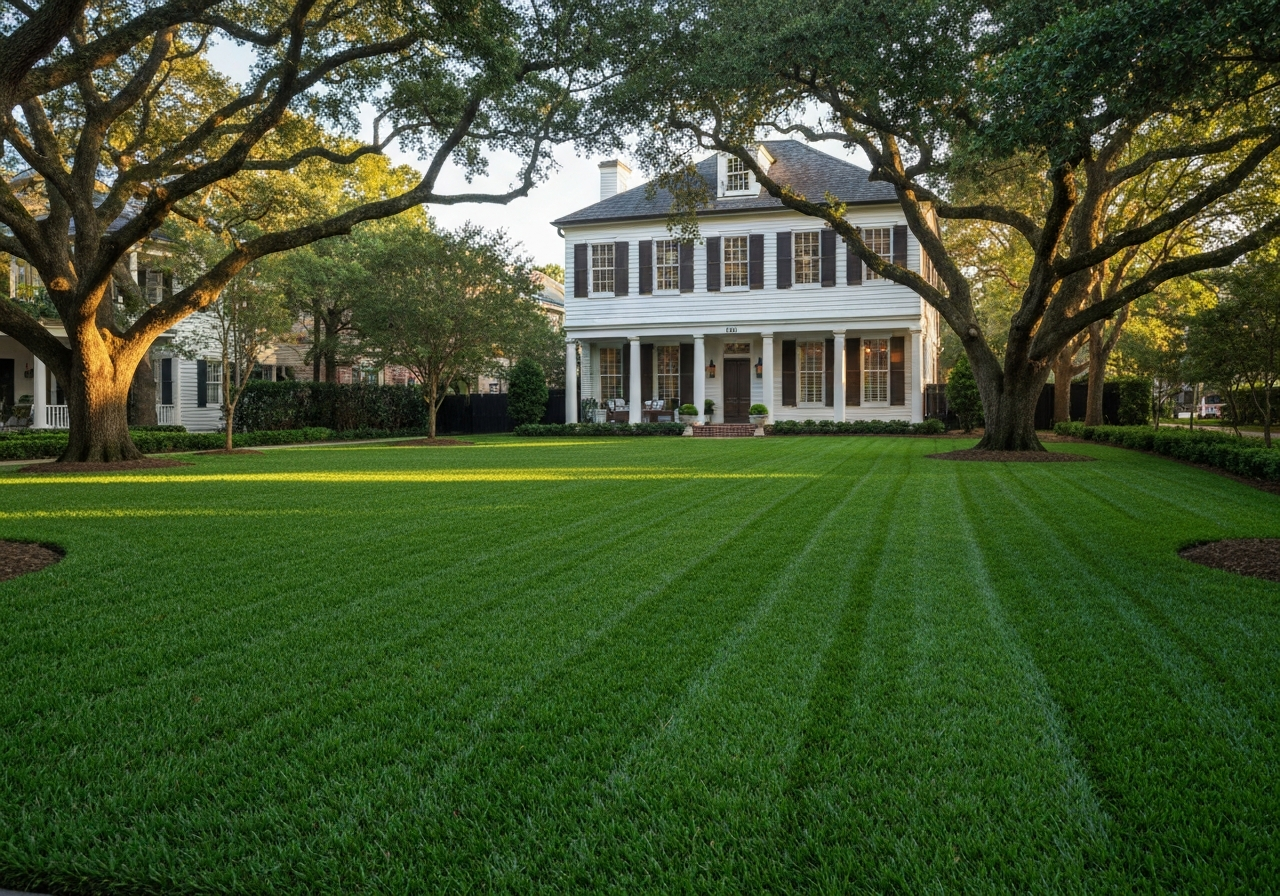
Sod is only as good as what it goes down on. A properly prepped yard gives roots immediate contact with loose, amended soil and a graded surface that moves water away rather than pooling it. A poorly prepped yard produces dead patches, uneven settling, and a lawn that never fills in.
In New Orleans, preparation matters more than in most markets. The native soil is heavy clay, natural drainage is a constant challenge, and summer heat punishes sod that cannot root quickly. Here is the full preparation sequence.
Step 1: Kill and Remove Existing Vegetation
New sod needs direct contact with the soil to root. Any existing grass, weeds, or ground cover underneath creates a mat that blocks root penetration and introduces competing plants that grow up through the new lawn within weeks.
Apply a non-selective herbicide at least 14 days before the installation date, then wait for the vegetation to die fully before removing it. Rushing this, or removing vegetation without killing it first, leaves viable root systems in the soil that regrow through the sod after it goes down.
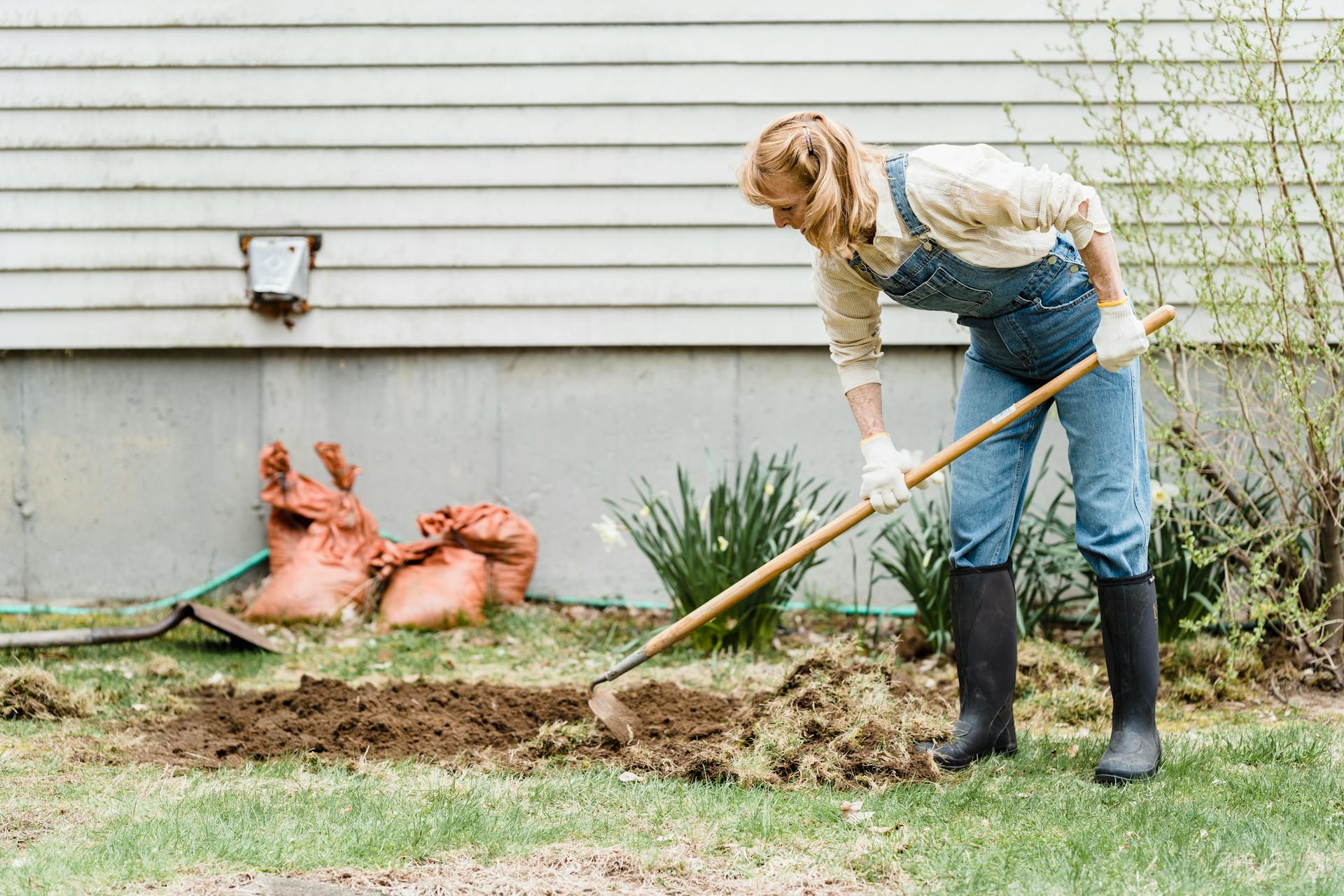
Dead vegetation needs to come out physically, not get tilled under. Burying organic material creates decomposition pockets that cause the lawn surface to sink unevenly as it breaks down over the following months.
Step 2: Clear Rocks, Debris, and Root Systems
Anything harder than soil needs to come out. Rocks larger than an inch, old mulch, construction debris, and woody root systems all interfere with sod contact and rooting. Previously landscaped yards take longer at this stage, particularly when large shrubs or trees were recently removed.
Tree root masses deserve special attention. A root system under fresh sod creates an air pocket that dries out the sod above it. Remove as much of the root system as practical and fill the void with compacted soil before grading.
Step 3: Correct Drainage and Grade the Surface
This is the step where New Orleans yards require the most attention. Proper grading means the surface slopes away from the foundation at roughly 1 inch per 10 feet, with any low spots that collect standing water filled and leveled.
Clay soil drainage in this market can be genuinely problematic. Yards that flood after every significant rainfall need more than surface grading. In those situations, perforated drain lines, dry wells, or a French drain system installed before sod
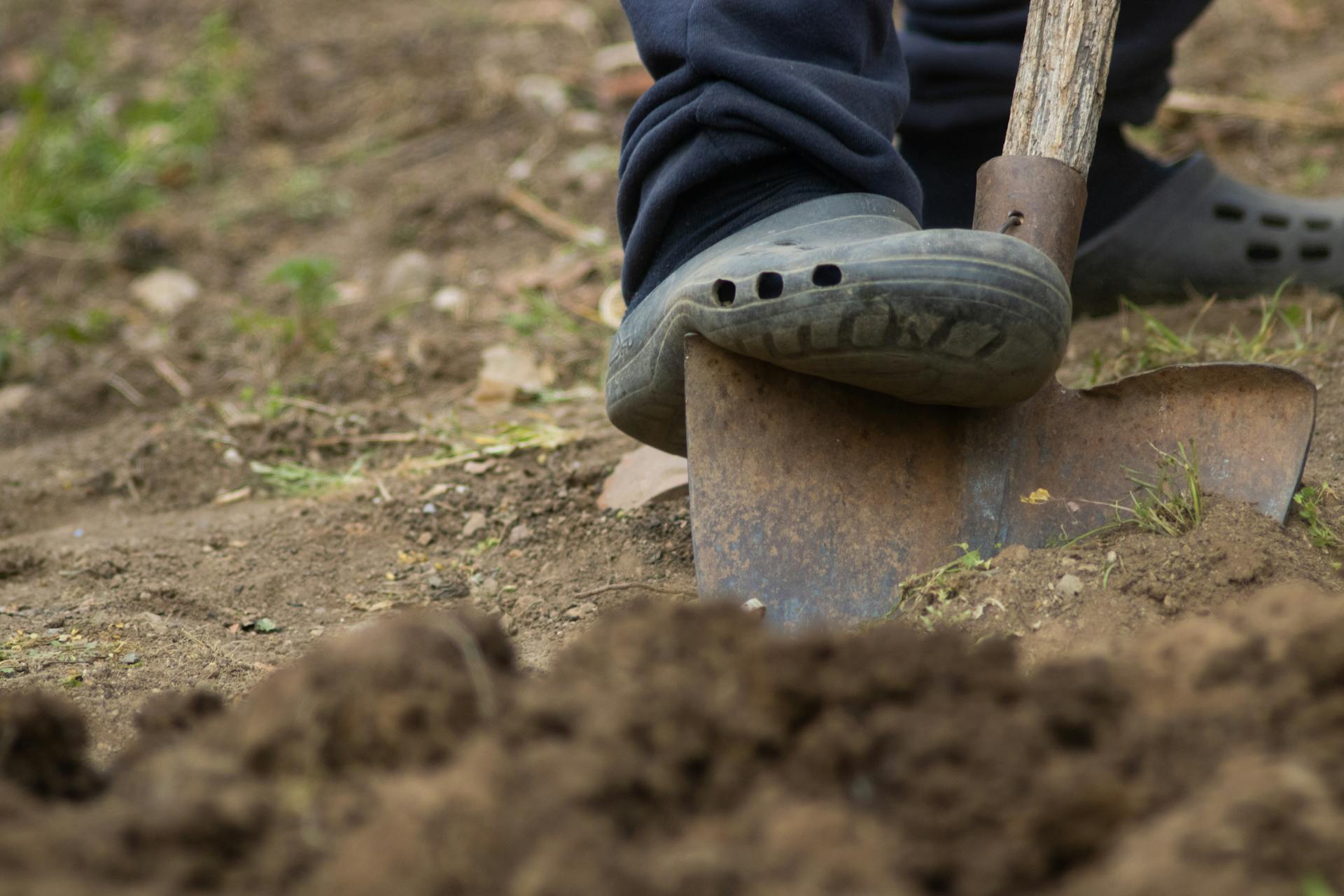
goes down prevents the same waterlogging from killing the new lawn. This adds to the cost and timeline but eliminates the most common cause of sod failure in New Orleans. How much drainage correction adds to the total installation cost depends on what the site assessment finds.
Step 4: Test and Amend the Soil
New Orleans soil typically runs clay-heavy with a pH between 6.0 and 7.0, which suits most warm-season grasses. A basic soil test from the LSU AgCenter runs around $15 and identifies pH and primary nutrient levels so you know exactly what the lawn needs before sod arrives.
Common amendments for clay-heavy New Orleans soil include coarse sand mixed into the top 4 to 6 inches to improve drainage, compost to add organic matter and improve nutrient retention, lime to raise pH if the soil is too acidic, and sulfur to lower pH for Centipede grass, which prefers slightly acidic conditions.
Amendments need to be worked into the top 4 to 6 inches of soil, not just spread on the surface. A rototiller is the right tool for this, not a garden rake.
Step 5: Rototill to Loosen Compacted Soil
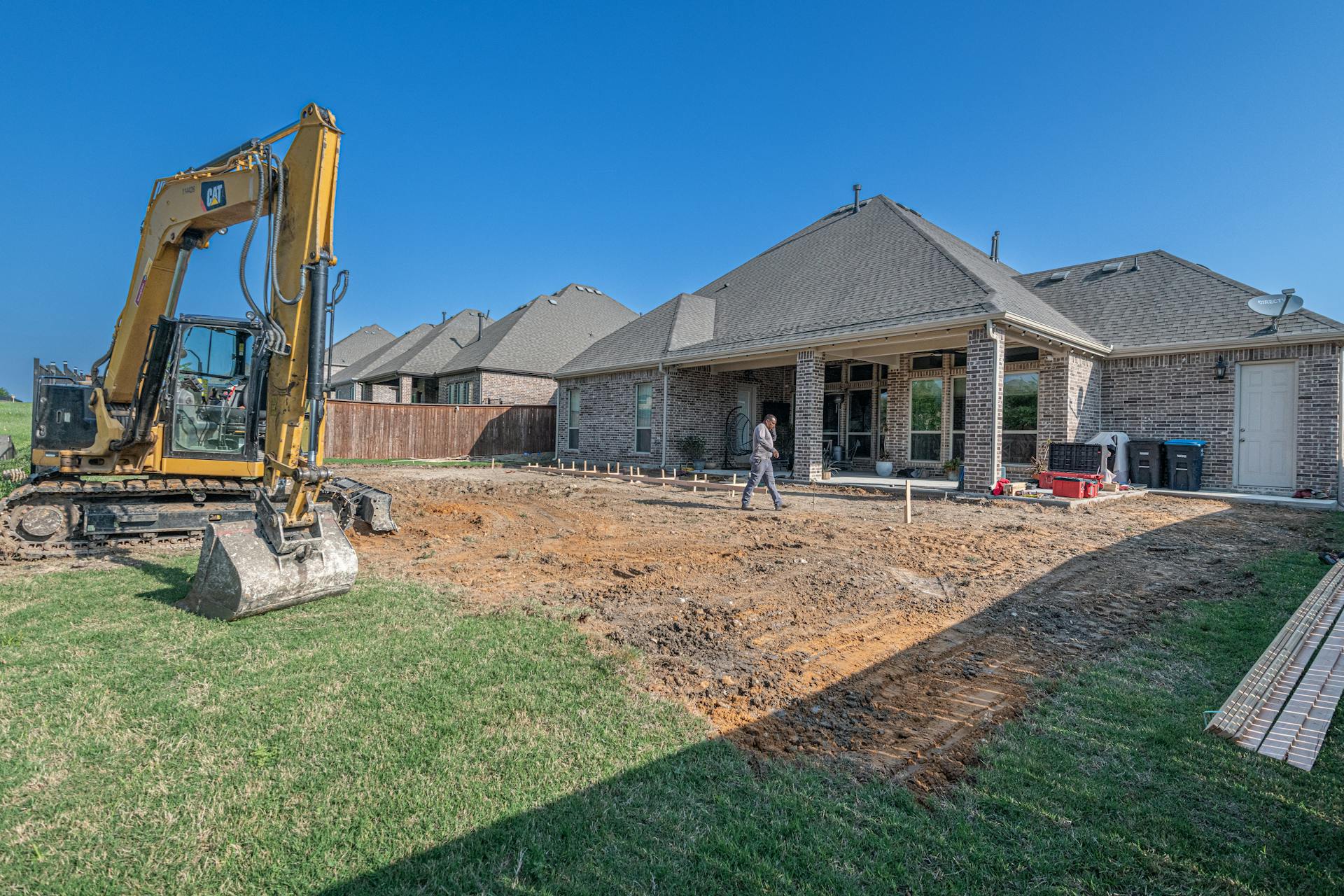
Even after removing old vegetation and grading, the surface layer is typically compacted from foot traffic, heavy rain, and years of compression. Running a commercial rototiller 4 to 6 inches deep breaks up that compaction and creates the loose, friable surface that sod roots can penetrate in the first week after installation.
Tilling also incorporates the amendments worked in during Step 4. Two passes at perpendicular angles give the most uniform loosening. After tilling, the surface will sit 1 to 2 inches higher than before. This is normal. The soil compresses back down over the following weeks as sod establishes and rain settles it.
Step 6: Rake Smooth and Flag Irrigation Heads
The final step before sod delivery is raking the surface smooth and marking any irrigation heads, utility lines, or obstac
les. A landscape rake removes remaining clumps and high spots left by the tiller. The goal is a surface that looks like a freshly graded baseball infield: smooth, firm, free of lumps.
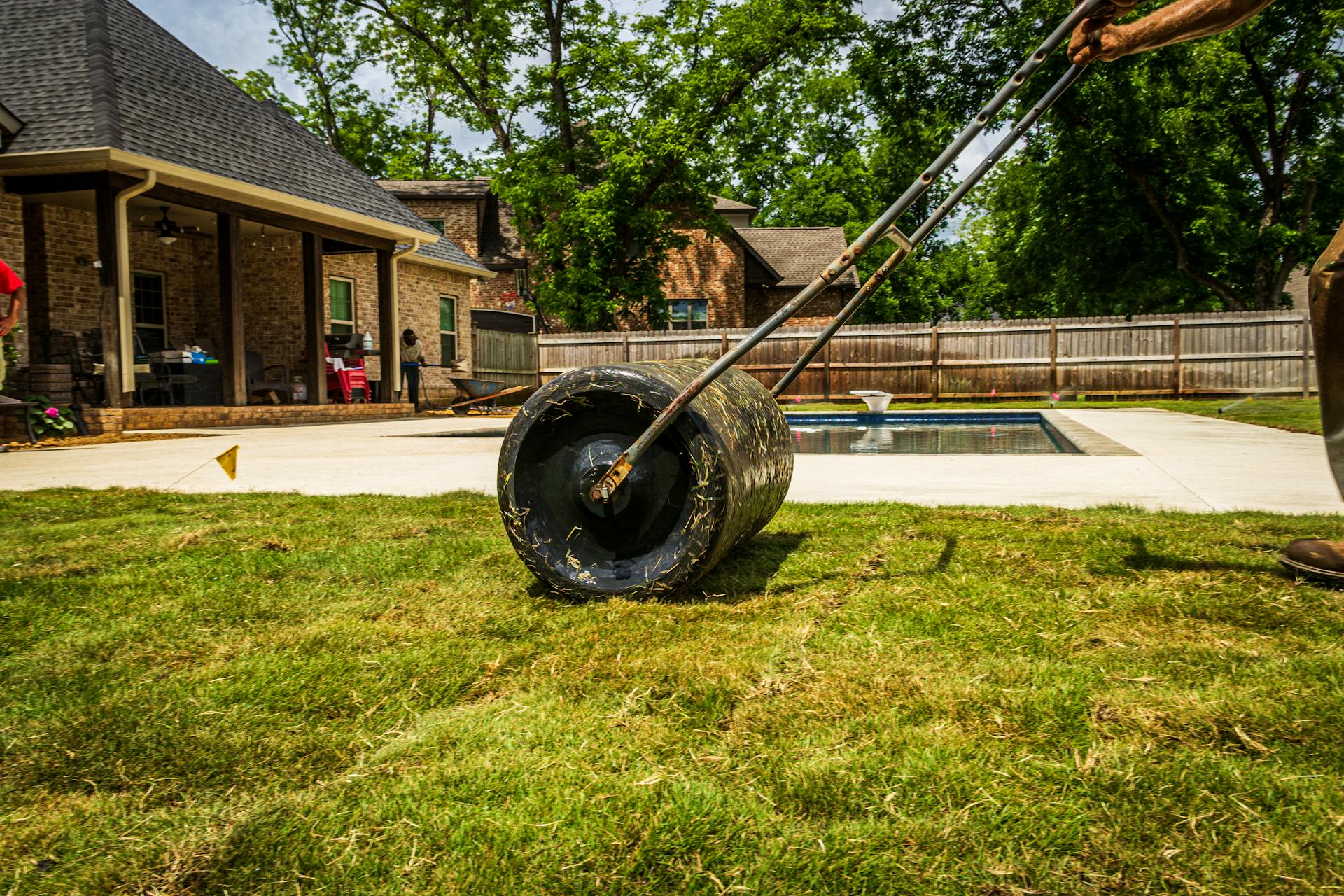
Even small bumps become visible once sod rolls out because any air gap between the sod underside and the soil prevents rooting in that spot. Mark sprinkler heads with small flags so the installation crew does not cut sod over them.
When Should Sod Arrive After Prep Is Complete?
Sod should arrive the same day prep is completed or the following morning. Prepped soil sitting bare for more than a day loses moisture and can develop a crust that slows root penetration. Do not prep the site a week early and wait for delivery to catch up.
Understanding how long the full installation project takes from prep through completion helps with scheduling sod delivery to land at the right time. Big Easy Sod manages the prep and delivery coordination so the crew does not leave a prepped yard sitting overnight.
Frequently Asked Questions
Do I need to remove all the old grass before installing sod?
Yes. Old grass left under new sod creates a mat that blocks root contact with the soil. Kill it first with herbicide, wait for complete die-off, then remove it before grading and tilling.
How long before sod installation should I apply herbicide?
Apply a non-selective herbicide at least 14 days before your installation date. This gives the existing vegetation time to die fully and allows the herbicide to break down before the new sod arrives.
Do I need to rototill before laying sod in New Orleans?
Yes, for any yard larger than a few hundred square feet. New Orleans clay soil requires mechanical tilling to 4 to 6 inches deep to create the loose surface that sod roots can penetrate in the first week. Skipping this step leaves compacted soil that slows or prevents rooting.
How do I fix drainage issues before laying sod in New Orleans?
Surface drainage problems are corrected with regrading. Low spots that regularly hold standing water after rain may require perforated drain lines or a French drain system. Address drainage before sod goes down because waterlogged soil will kill new sod even when everything else is done correctly.
What soil amendments work best for New Orleans clay soil?
Coarse sand mixed into the top 4 to 6 inches is the most effective amendment for improving drainage in heavy clay. Compost adds structure and nutrients. A soil test tells you which, and how much, your specific yard needs.
Can I prep my yard for sod myself?
Basic prep steps are manageable on small, flat yards without drainage issues. Drainage correction, rototiller rental, and hauling old vegetation all require more equipment and physical labor. Big Easy Sod handles the full prep process as part of a complete installation quote.
Skipping yard prep is the most common reason new sod fails in New Orleans. It is also the part homeowners most often underestimate. Full-service sod installation from Big Easy Sod includes everything from site assessment through final grading so the lawn goes down on properly prepared ground. Get a free on-site quote to see what your yard needs before any work begins.