Last Updated: May 2026
Sod looks established from day one. It is green, it covers the yard, and it is easy to assume the hard part is over. The grass is actually in a fragile state until roots reach into your soil and take hold, a process that takes longer than most homeowners expect.
Knowing the rooting timeline tells you when to water, when to mow, and when you can use the lawn. It also tells you when something is wrong and why.
When Do New Sod Roots Start Growing After Installation?
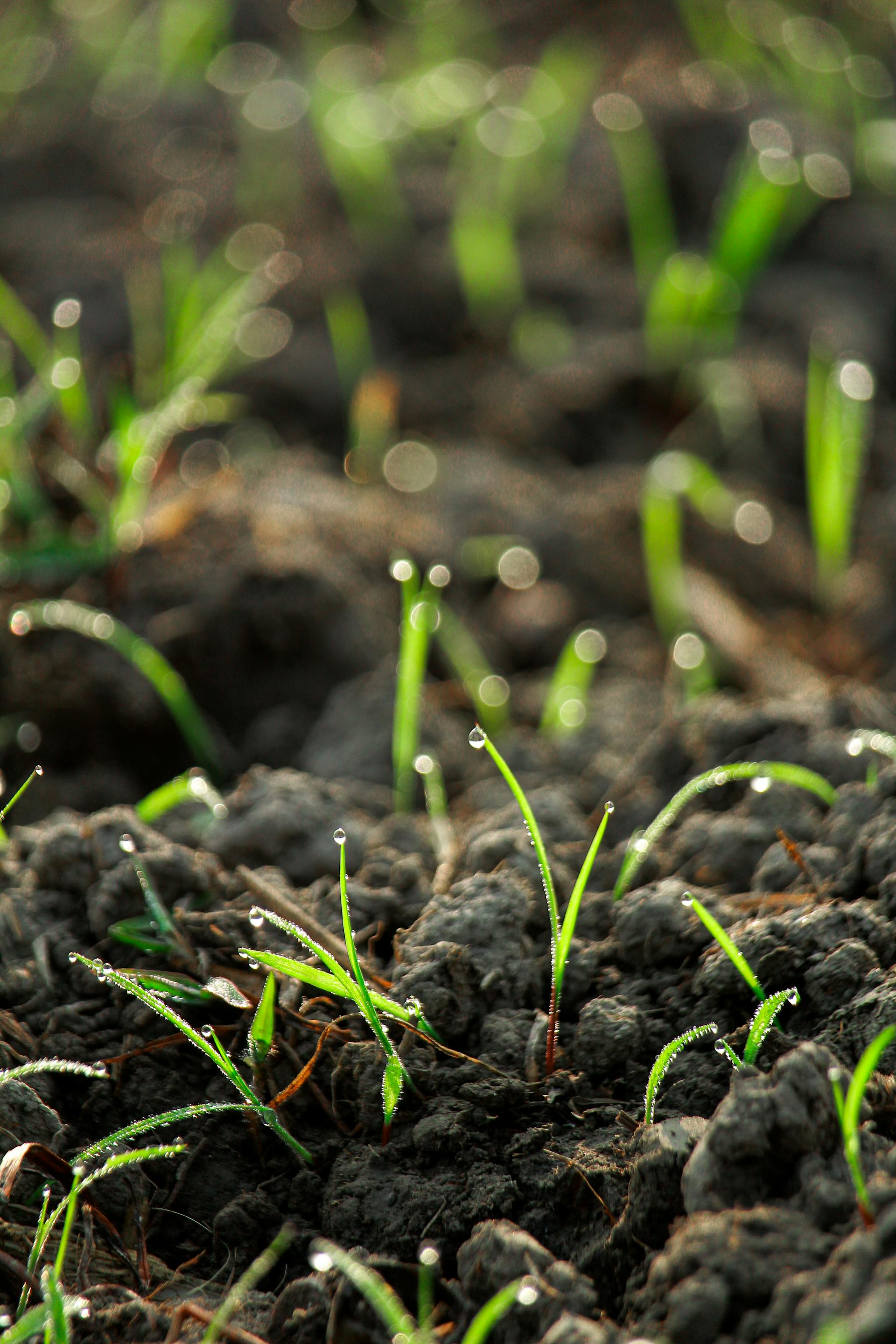
The first roots appear in the 7 to 10 day range under good conditions. During this window, the sod is surviving entirely on the moisture in the rolled grass and whatever irrigation you apply. The roots from the sod underside are beginning to reach into the prepared soil below, but they have not anchored yet.
This first week is when the lawn is most vulnerable. Foot traffic, heat stress, and inconsistent watering between days 1 and 10 can create air gaps between the sod and soil or let the contact layer dry out before roots form. Keep foot traffic off the lawn entirely and maintain the irrigation schedule without gaps.
By day 14, most well-installed sod in Louisiana shows visible root anchoring. You can test this by gently tugging a corner of a sod piece. A piece that lifts with no resistance has not rooted yet in that spot. One that offers some resistance before releasing has begun anchoring. By week three, you should not be able to lift a piece without tearing the grass.
How Long Until Sod Is Fully Established in Louisiana?
Full establishment, where the root system is deep and dense enough that the lawn can handle normal use and reduced irrigation, takes 6 to 8 weeks in Louisiana under spring or fall conditions. During summer installations, when heat stresses the grass during the rooting period, establishment can take 8 to 10 weeks.
Once the lawn is fully established, transition to a standard maintenance schedule: watering 2 to 3 times per week instead of daily, mowing on a regular cycle, and beginning any fertilization program the grass type requires. Sod maintenance services from Big Easy Sod cover the ongoing lawn care schedule after establishment is complete.
What Slows Sod Root Development in New Orleans?
Several factors specific to New Orleans can delay normal rooting:
Inconsistent watering is the most common cause of slow establishment. New sod needs the soil kept moist 2 to 3 inches deep throughout the full establishment period. Homeowners who reduce watering after the first week because the lawn looks fine often find
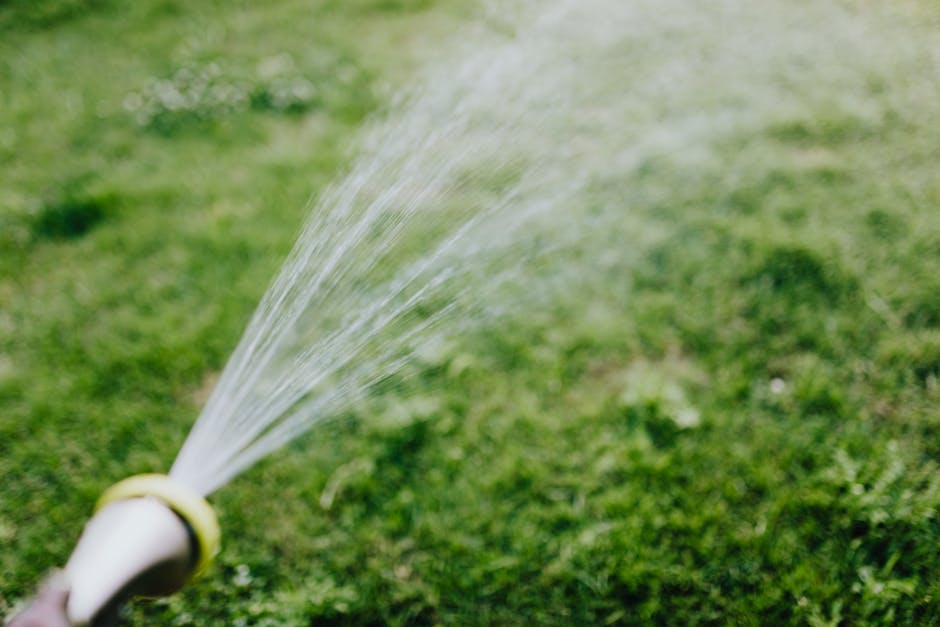
thin spots and brown patches in week three when roots hit dry soil and stop growing.
Poor soil contact causes localized failure. Air gaps between the sod underside and the soil surface, from lumpy grading or debris left during prep, prevent roots from reaching the soil at all in those spots. The sod above the gap dies while the surrounding lawn roots normally. This is why thorough yard preparation before installation is not a step to shortcut.
Compacted clay soil resists root penetration. In much of the New Orleans metro, native soil is heavy clay. Sod roots attempting to push into unbroken clay slow significantly compared to tilled and amended soil. Rototilling and soil amendment before installation solves this.
Heavy foot traffic in the first three weeks physically disrupts the root-to-soil connection before it is strong enough to withstand pressure.
How Do You Test Whether Your New Sod Is Rooting?
The tug test is the most reliable method. Grab a corner of a sod piece with two fingers and pull upward gently. In week one, it lifts with almost no resistance. By week two, you should feel the roots beginning to hold. By week three to four, the piece should resist lifting. If it still comes up easily at week three, rooting is not happening normally in that spot and you need to investigate why.
Color also signals root health. Healthy rooting sod holds a consistent medium green. A gray or bluish-green tint appearing across large sections, rather than the normal green, is the first sign of drought stress in St. Augustine before it turns brown. Increase irrigation at the first sign of that color shift.
Seam gaps that widen rather than narrow over the first two weeks indicate the sod is shrinking from dehydration, not knitting together as it should.
When Can You Mow New Sod in Louisiana?
Wait until the tug test confirms rooting before mowing, typically around week three. The first mow should remove no more than one third of the blade height using sharp blades set higher than your normal mowing height. Dull blades tearing at newly rooting grass can pull sod pieces off the soil surface.
For St. Augustine in New Orleans, the first mow height is typically 3.5 to 4 inches. Set the deck higher than feels right and resist the urge to cut short. Lower mowing heights come after full establishment.
What Does the First 30 Days Look Like Week by Week?
Each week brings specific milestones you can watch for. The complete guide to the first 30 days after sod inst
allation breaks down the full week-by-week progression, including what normal color changes look like, when to adjust irrigation frequency, and how to tell the difference between expected transplant stress and a problem that needs attention.
Frequently Asked Questions
How do I know if my new sod is dying or just dormant?
In Louisiana, warm-season grasses rarely go fully dormant in the first month after installation. Brown patches during summer or fall installation almost always indicate drought stress rather than dormancy. Check soil moisture 2 to 3 inches deep. If it is dry, increase irrigation immediately.
Why is my new sod not rooting after three weeks?
The most common causes are insufficient watering, compacted soil the roots cannot penetrate, or air gaps between the sod underside and the soil surface. Check moisture, look for signs of drought stress, and inspect poor-rooting areas for gaps or unusual soil hardness.
Can I walk on new sod in Louisiana?
Minimize foot traffic for the first three weeks. Light, occasional foot traffic in weeks one and two is unavoidable but should be limited as much as possible. Keep kids and pets off the lawn until the tug test confirms rooting.
Does Louisiana heat make sod root faster or slower?
Warm soil accelerates root growth up to about 80 degrees. Above that, heat stress slows the process. New Orleans spring and fall soil temperatures hit the optimal 65 to 80 degree range consistently. Summer soil temps regularly exceed 85 degrees, creating stress that delays establishment without adequate irrigation.
How long should I water before cutting back to a normal schedule?
Water daily for the first two to three weeks, then shift to every other day in week three, then two to three times per week by week four as rooting confirms through the tug test. Base the transition on what the tug test shows, not the calendar date alone.
What happens if it rains heavily right after installation?
Light to moderate rain after installation is helpful and reduces how much you need to irrigate manually. Heavy rain causing standing water is a concern because waterlogged soil restricts oxygen to developing roots. If your yard pools water after installation, drainage correction during prep should have addressed this in advance.
Big Easy Sod backs its installations across the New Orleans metro. If your new lawn is not rooting on schedule, the team can come out and assess the situation before a minor issue becomes a replacement job. Professional sod installation from Big Easy Sod includes follow-up support during the establishment period. Schedule a free consultation to discuss your yard’s specific conditions.