What Lawn Care Does Your New Orleans Yard Need Before Winter?

Quick Summary: New Orleans falls later than the rest of the South, with the average first frost not arriving until December 1 according to NOAA climate data. That gives homeowners a longer window to wrap up fall lawn tasks, but it also means large patch fungal disease is active through November. The three most time-sensitive fall tasks are finishing any nitrogen fertilization by mid-September, applying a preventive fungicide when soil temperatures drop below 80 degrees in September, and placing a pre-emergent herbicide for winter annual weeds by early October. Bermuda grass homeowners who want winter color can overseed with ryegrass in late September to early October.

Last Updated: May 2026

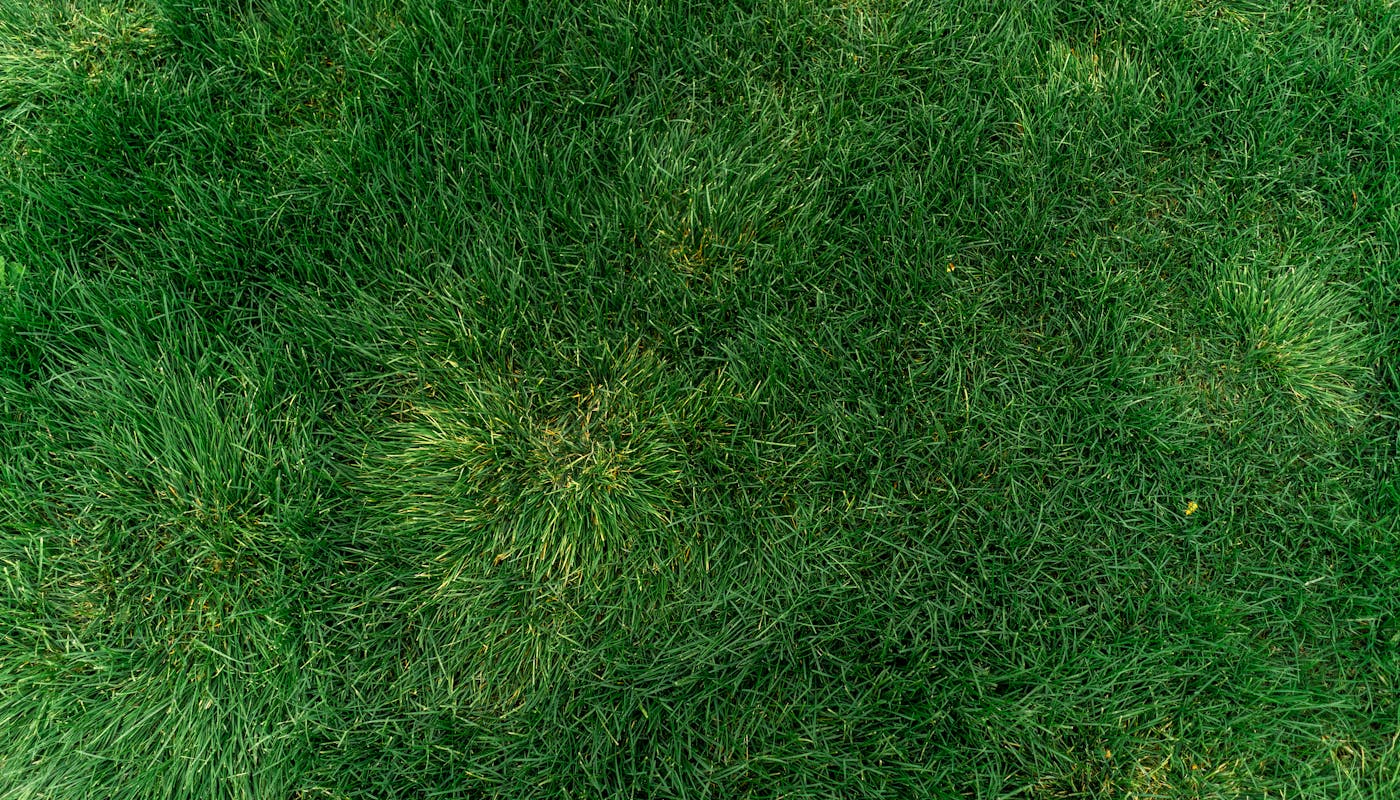
Fall lawn care maintenance in a Southern backyard before winter

Fall lawn care in New Orleans looks different from the same work in Atlanta or Dallas because New Orleans stays warm so much longer. The frost-free growing season here runs approximately 332 days per year, compared to 210 days in Nashville. The practical effect is that warm-season grasses in this city are still actively growing in October and early November, and fall lawn tasks are still effective well into that window.

The flip side is that fall fungal disease pressure also runs longer here. Any New Orleans homeowner who skips the September fungicide window often pays for it with brown patches across the lawn by November.

When should you make the last fertilizer application of the year?

The rule is straightforward: apply the final nitrogen fertilization 4 to 6 weeks before the average first frost, which falls on December 1 in New Orleans according to NOAA 1991-2020 climate normals. That puts the hard deadline at mid-October at the latest. In practice, LSU AgCenter advises finishing fertilization in early fall, with “early September” given as the preferred window in Get It Growing seasonal guidance.

There is a disease reason to push early rather than late. Excess nitrogen in fall is the primary cultural driver of large patch severity. A September nitrogen application gives grass time to process the nutrient before fungal disease season opens. An October application, by contrast, delivers nitrogen exactly when large patch is most active, fueling rapid spread.

Do not apply nitrogen fertilizer in October or later. If a soil test shows low potassium, a fall potassium-only application is acceptable in October to improve cold hardiness, but nitrogen stays off the lawn after mid-September.

What does fall large patch disease mean for the fall lawn calendar?

Large patch, the most common lawn disease in Louisiana per LSU AgCenter, has its most important treatment window in fall. Apply a preventive fungicide when soil temperatures drop to around 80 degrees Fahrenheit, typically in mid-to-late September in New Orleans. A second application follows in mid-to-late October. The guide on common lawn diseases in New Orleans covers the full identification and treatment protocol in detail.

The reason fall is so critical: Texas A&M AgriLife extension research states that spring fungicide applications are generally not cost-effective for large patch control. Fall is the window where treatment actually prevents damage. A lawn that misses the September-October fungicide window will typically show circular brown patches by November, and those patches will not recover until the following spring green-up.

Avoid late-season lawn practices that worsen disease pressure: stop overhead irrigation in the evening, do not mow wet grass, raise mowing height slightly during the fall transition period, and never mow a diseased area first then continue to healthy areas without cleaning the mower deck.

Should you overseed your New Orleans lawn in fall?

Overseeding with ryegrass is a good option for Bermuda grass homeowners who want the lawn to stay green through winter. Bermuda goes dormant and turns tan in late November to December; ryegrass provides temporary green coverage until spring.
Core aeration of a warm-season grass lawn in preparation for cooler months

LSU AgCenter extension agent Bert Hammett recommends perennial ryegrass over annual ryegrass for deeper, darker green color and better establishment. The seeding rate is 8 pounds per 1,000 square feet as an optimal target, within the 5 to 10 pound range published by LSU. Time the overseeding for late September to mid-October, when the bermuda is beginning to slow down. Mow slightly shorter than normal before spreading seed, then water lightly after application.

St. Augustine is not suitable for overseeding. The grass cannot be established from seed at all; it is only spread by sod or plugs. If a St. Augustine lawn has bare patches needing repair, that work happens in spring, not fall.

Do not overseed if you are planning to apply pre-emergent herbicide for winter annual weeds. These products prevent all seed germination and will kill ryegrass seed at the same time as the target weeds.

What pre-emergent herbicide tasks belong on a fall lawn calendar?

Winter annual weeds including annual bluegrass, chickweed, and henbit germinate in fall. Apply a pre-emergent herbicide by early October to intercept them before germination. Active ingredients that work well in Louisiana include dithiopyr, prodiamine, simazine, and atrazine. Water the product in with one-quarter to one-half inch of irrigation within 24 to 48 hours of application, as confirmed by LSU AgCenter’s October pre-emergent guidance.

Follow up with a second pre-emergent application from mid-November through early January to extend the protection window through peak winter weed germination. Space applications appropriately based on the product label; most products call for 6 to 8 weeks between applications.

How do you reduce watering as fall arrives in New Orleans?

September and October are transition months where summer rain patterns slow down but temperatures are still warm enough to require supplemental irrigation during dry stretches. LSU AgCenter describes this as the period when “days become milder and summer rain showers begin to slow down.”

Applying fall fertilizer to a Louisiana lawn to sustain roots through winter

October averages only 3.66 inches of rain in New Orleans, less than half the July average of 7 inches. Monitor soil moisture and water when needed during dry October stretches, but cut irrigation frequency by 30 to 50 percent compared to summer. By November, as grass growth slows and average lows drop toward 55 degrees, irrigation should be minimal. Through December and into winter dormancy, water only if rainfall has been absent for several weeks.

Reducing irrigation in fall also directly reduces large patch disease risk. Overwatering in September and October is one of the top cultural factors identified by Texas A&M research as increasing large patch severity.

When does a New Orleans lawn actually go dormant?

Warm-season grasses go dormant when nighttime temperatures consistently fall below 50 to 55 degrees Fahrenheit. In New Orleans, that rarely happens before December. Monthly average lows in October are 63 to 64 degrees and November averages 53 to 55 degrees, meaning Bermuda and Zoysia begin transitioning to dormancy in late November and typically show full color change by December. St. Augustine is the slowest to go dormant of the three and the most susceptible to cold injury if a hard freeze arrives.

The practical implication is that fall lawn care in New Orleans extends well into November. Homeowners in most of the South wrap up fall tasks in October; NOLA homeowners have an extra month. The Big Easy Sod maintenance team handles this full extended fall season across the metro, including fertilization scheduling, fungicide timing, and pre-emergent applications.


Fall Lawn Care Calendar for New Orleans

Month Task Notes
Early September Last nitrogen fertilization Do not apply nitrogen after mid-September; late nitrogen amplifies large patch risk
Mid-to-late September First preventive fungicide for large patch Apply when soil temps approach 80°F; azoxystrobin or propiconazole
Late September to mid-October Ryegrass overseeding (Bermuda only) 8 lbs per 1,000 sq ft; perennial variety preferred (LSU AgCenter)
By early October First pre-emergent herbicide Target winter annual weeds; water in within 24-48 hours
Mid-to-late October Second fungicide application + reduce irrigation Rotate fungicide class from September application
Mid-November Second pre-emergent application Extends weed control through peak winter germination
November to December Minimal irrigation only; dormancy begins Average first frost December 1 in New Orleans (NOAA)

Frequently Asked Questions

When should I fertilize my lawn in New Orleans in fall?

Make the last nitrogen fertilization by early to mid-September in New Orleans. Texas A&M AgriLife guidelines recommend stopping nitrogen 4 to 6 weeks before the average first frost, which falls on December 1 here. Nitrogen applied in October or later increases large patch disease severity.

Does New Orleans grass go dormant in winter?

Yes, but later than most Southern cities. Bermuda and Zoysia typically show color change in late November and reach full dormancy in December when nighttime lows consistently fall below 50 degrees. St. Augustine is the slowest to go dormant and the most cold-sensitive of the three common NOLA grasses.

When should I put down pre-emergent in New Orleans?

Apply the first pre-emergent herbicide by early October to block winter annual weeds like annual bluegrass and henbit. A second application from mid-November through early January extends the coverage window. Water the product in within 24 to 48 hours of application.

Can I aerate my lawn in fall in New Orleans?

Yes. Aeration in September to October, before dormancy sets in, improves drainage and relieves compaction ahead of NOLA’s wet winter months. Core aeration is especially beneficial on the heavy clay and below-sea-level lots that characterize much of the New Orleans metro.

Why does my lawn get brown patches every October in New Orleans?

October brown patches are almost always large patch disease (Rhizoctonia solani), which activates when soil temperatures drop below 70 degrees Fahrenheit. The disease is the most common lawn problem in Louisiana and appears in the same locations year after year. Preventive fungicide applications in mid-to-late September are the only way to reduce patch severity.

Should I overseed my New Orleans lawn in fall?

Bermuda grass homeowners can overseed with perennial ryegrass at 8 pounds per 1,000 square feet in late September to mid-October for winter green color. St. Augustine cannot be overseeded; it can only be established through sod or plugs. Do not combine overseeding with pre-emergent herbicide application.

How late into fall should I water my New Orleans lawn?

Continue watering in September and October during dry stretches but reduce frequency by 30 to 50 percent compared to summer. By November, switch to watering only when the lawn shows drought stress and rainfall has been absent for more than a week. Stop supplemental irrigation entirely once the grass goes dormant in December.

When Is the Best Time to Aerate Your Lawn in Louisiana?

Quick Summary

Fall is the best time to aerate most New Orleans lawns, with the optimal window running from late October through early November, just before warm-season grass enters winter dormancy. Louisiana’s clay-heavy coastal soil compacts under foot traffic and rainfall, blocking root penetration, slowing drainage, and cutting off the air space roots need to survive summer heat. Core aeration removes small plugs of soil across the lawn, relieves that compaction, and lets the channels fill with organic matter through winter rain events, improving soil structure for spring green-up. Big Easy Sod serves homeowners across Greater New Orleans, and for most residential lawns growing St. Augustine, Zoysia, or Bermuda sod on Southeast Louisiana’s dense coastal clay, one fall aeration session per year is the most impactful single maintenance step available.

Gas lawn mower aeration machine operating on green grass in summer

Last Updated: May 2026

Fall lawn aeration gives Louisiana homeowners the most benefit when timed between late October and early November, just before grass enters dormancy, so the aeration channels fill with soil and organic matter through winter and support stronger root development come spring. Big Easy Sod recommends fall timing for most New Orleans homeowners on clay-based soil because the compaction relief carries through the dormant period and directly reduces the root stress that limits warm-season grass performance in the spring growing season. St. Augustine, Zoysia, and Bermuda sod are the three varieties most commonly installed across Greater New Orleans, and all three respond well to annual fall aeration on Louisiana’s coastal clay. Homeowners on an ongoing care plan through Big Easy Sod’s sod maintenance services can schedule aeration as part of their annual lawn care calendar.

Why Does Louisiana Clay Soil Make Aeration More Important Than in Other States?

Louisiana’s coastal clay compacts more aggressively than the sandy or loamy soils common in other Gulf states because its fine-grained particles lock together tightly under pressure, leaving almost no pore space for air, water, or nutrients to pass through. Compacted clay creates three compounding problems for New Orleans lawns: it restricts how deep roots can grow, it slows drainage until standing water accumulates after rain, and it blocks fertilizer from reaching the root zone even when applications are done correctly.

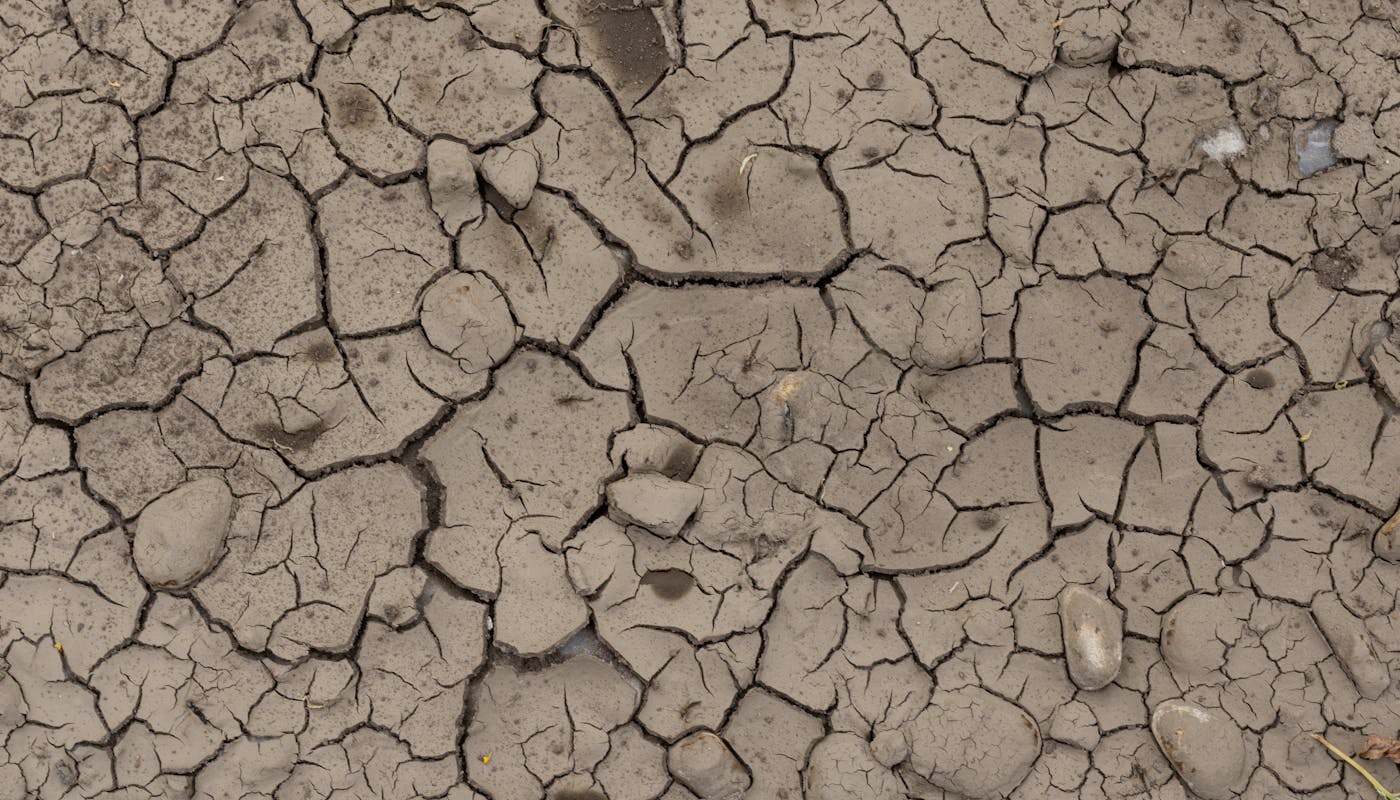
Close-up of cracked dry clay soil showing drought and compaction stress

USDA Hardiness Zone 9b adds another layer to the problem. Compacted clay retains heat during summer, raising soil temperatures above the threshold where warm-season grasses experience root stress. Sandy soils in coastal Florida or Mississippi have natural pore space that limits compaction severity; Louisiana clay has almost none, which makes annual aeration a maintenance requirement rather than an optional upgrade.

  • Louisiana coastal clay averages less than 5% natural pore space in compacted condition. Roots need 25% or more to develop normally.
  • New Orleans receives an average of 62 inches of rainfall annually. Each rain event contributes to surface compaction through the physical impact of raindrops on exposed soil.
  • Foot traffic from pets, children, and lawn equipment compounds the compaction effect between rain events, especially on the clay hardpan common in older Greater New Orleans neighborhoods.

What Does Core Aeration Actually Do to Compacted Soil?

Core aeration removes small cylindrical plugs of soil, typically 2 to 3 inches deep and spaced 3 to 4 inches apart across the entire lawn, using hollow metal tines mounted on a mechanical aerator. The holes those tines create give air, water, and nutrients a direct path to the root zone, bypassing the compacted clay layer that blocks them at the surface.

The removed plugs stay on the surface. Within two to three weeks of rainfall, they break down and return organic matter to the top layer of the soil profile. That organic matter gradually improves the clay’s long-term structure, increasing its ability to hold pore space between compaction events. A single fall aeration session produces reduced compaction, faster drainage after rain, deeper root penetration into the opened channels, and better fertilizer uptake for any application made within 48 hours of aerating.

For lawns being prepared for the cooler months, fall aeration pairs directly with the broader seasonal steps covered in preparing your New Orleans lawn for winter. The two practices work together to improve soil health through the dormant period and reduce spring recovery time.

Vibrant healthy green lawn with lush dense grass after aeration treatment

Is Fall or Spring the Better Time to Aerate New Orleans Grass?

Fall aeration is better for most New Orleans homeowners because it allows the aeration channels to fill and the soil structure to improve through the winter dormant period, setting the lawn up for stronger spring green-up. Spring aeration is effective when timed immediately before fertilizer application at green-up, but it misses the extended soil improvement window that winter rain events provide.

Timing Window Primary Benefit Best For
Fall Late Oct – early Nov Soil structure improvement through winter dormancy Most residential lawns: St. Augustine, Zoysia, Bermuda
Spring Late Feb – early Mar at green-up Maximizes fertilizer uptake at the start of the growing season High-traffic lawns needing a second cycle; lawns that missed fall timing

One timing note for homeowners considering overseeding: if you’re planning to overseed after aeration, read through the case for overseeding your New Orleans lawn in fall before scheduling. Most warm-season varieties grown across Greater New Orleans respond differently to overseeding than cool-season grasses do in northern climates.

How Often Does a New Orleans Lawn Actually Need Aeration?

Most New Orleans residential lawns on clay soil need core aeration once per year. High-traffic areas with pets, children, or worn foot paths benefit from twice-yearly aeration, once in fall and once at spring green-up. Lawns with light traffic and well-maintained soil can go every two years without significant compaction buildup.

The most reliable field test: push a standard 6-inch screwdriver into the lawn with hand pressure only. If it won’t go past 2 inches without forcing it, the soil is compacted enough that aeration is needed regardless of the calendar schedule. For lawns installed by Big Easy Sod within the past year, hold off on mechanical aeration until the sod has fully knit to the soil beneath it. That takes 6 to 8 weeks for St. Augustine and Bermuda in New Orleans conditions, and 8 to 12 weeks for Zoysia. Running a mechanical aerator over sod that has not fully rooted can pull the turf away from the soil rather than penetrating it cleanly.

Grass Type Soil Type Recommended Frequency Best Timing
St. Augustine Clay (compacted) Once per year September–October
St. Augustine Sandy or loam Every 1–2 years Fall preferred
Zoysia Clay (compacted) Once per year September–October
Zoysia Sandy or loam Every 2 years Fall or early spring
Bermuda Clay (compacted) 1–2 times per year Spring + Fall
Bermuda Sandy or loam Once per year Spring or Fall
Centipede Any Every 2–3 years Spring only

Should You Rent an Aerator or Hire a Professional in Greater New Orleans?

Core aerators are available at most equipment rental companies serving Greater New Orleans, and a rental unit works well for standard residential lots with moderately compacted soil. The critical preparation step is soil moisture: water the lawn 24 hours before aerating so the tines can penetrate the clay. Dry Louisiana clay is nearly impenetrable, and tines that cannot reach 2 inches do not create channels deep enough to help.

Hiring a professional makes more sense when:

  • The lawn is severely compacted and the screwdriver test fails at less than 1 inch
  • The lot is large or has landscaping obstacles requiring commercial-grade equipment
  • Aeration needs to be combined with a timed post-aeration fertilizer application
  • The lawn has irregular grade or soft spots where heavy rental equipment could create ruts

Big Easy Sod’s aeration and dethatching service handles core aeration and thatch removal in a single visit. Dethatching is often beneficial on the same schedule for St. Augustine lawns, which build thatch faster than Zoysia or Bermuda. How you watered through summer also affects how compacted the soil becomes heading into fall. The summer watering practices that protect sod through New Orleans heat carry directly into fall soil condition and aeration timing.

To schedule aeration or ask about a fall lawn maintenance plan, call Big Easy Sod at (504) 608-3321. The team serves homeowners across New Orleans, Metairie, Kenner, the Westbank, the Northshore, and surrounding parishes in Southeast Louisiana.

Frequently Asked Questions

When is the best time to aerate a lawn in Louisiana?

Late October through early November is the best window for lawn aeration in Louisiana. That timing lets the aeration channels fill and improve soil structure through winter rain events before warm-season grasses like St. Augustine, Zoysia, and Bermuda break dormancy in spring.

Does aeration help with standing water on a New Orleans lawn?

Yes. Core aeration directly addresses the compacted clay layer that slows drainage on most Greater New Orleans residential lawns. By opening channels through the dense clay, aeration allows surface water to drain into the soil profile rather than pooling on top, making it one of the most effective non-grading solutions for minor standing water problems on Louisiana lots.

How deep should aeration tines go in Louisiana clay soil?

Tines should reach 2 to 3 inches deep in Louisiana clay to penetrate the compacted zone below the thatch and surface roots. Aeration that only reaches 1 inch or less breaks up the top layer but does not create channels deep enough to benefit root growth or improve drainage.

Can you aerate a lawn right after it rains in New Orleans?

No. Saturated clay smears into tine holes rather than forming clean channels, and a mechanical aerator on wet soil creates ruts. The ideal condition is moist but not saturated. Water the lawn 24 hours before aerating if recent rain has not done so, and wait at least 48 hours after heavy rainfall before running the equipment.

Is aeration the same as dethatching for St. Augustine grass?

No. Aeration uses hollow tines to remove soil plugs and relieve compaction. Dethatching removes the layer of dead organic material between the grass blades and the soil surface. St. Augustine grass builds thatch faster than most other warm-season varieties, so the two services are often scheduled together on St. Augustine lawns in New Orleans, but they use different equipment and address different problems.

Does Big Easy Sod provide lawn aeration in New Orleans?

Yes. Big Easy Sod provides core aeration and dethatching services across Greater New Orleans, including Metairie, Kenner, the Westbank, and surrounding parishes in Southeast Louisiana. Call (504) 608-3321 to schedule or ask about fall lawn maintenance options.

Should You Overseed Your New Orleans Lawn This Fall?

Quick Summary

Fall overseeding with annual ryegrass keeps a New Orleans lawn green through the winter dormant period, but it is not the right choice for every grass type or every homeowner. Bermuda grass responds best because it goes fully brown in dormancy and benefits the most from the visual improvement ryegrass provides. St. Augustine lawns should not be overseeded. Zoysia stays partially green through mild Louisiana winters and generally does not need it. Big Easy Sod serves homeowners across Greater New Orleans and recommends overseeding only when the long-term grass health trade-offs are understood, particularly the spring transition timing that directly affects how well the underlying warm-season lawn recovers.

Lawn overseeding application spreading ryegrass seed over dormant warm-season grass in New Orleans yard

Last Updated: May 2026

Overseeding a New Orleans lawn in fall means spreading cool-season annual ryegrass seed over a dormant warm-season base to maintain green color through Louisiana’s winter months. Big Easy Sod recommends it selectively: Bermuda grass lawns in Greater New Orleans benefit the most because Bermuda goes fully brown and straw-colored in dormancy, and ryegrass provides a dramatic visual improvement. St. Augustine lawns should not be overseeded, and Zoysia rarely needs it. Homeowners who proceed with overseeding need a clear plan for the spring transition, because ryegrass that is not managed correctly at green-up delays the underlying warm-season lawn’s recovery. For homeowners weighing fall lawn care priorities, the case for fall lawn aeration in Louisiana is worth reading alongside this one.

What Is Overseeding and How Does It Work on Louisiana Grass?

Overseeding is the process of broadcasting cool-season grass seed directly over a dormant warm-season lawn without removing the existing turf. In Louisiana, the seed used is almost always annual ryegrass, which germinates quickly in fall temperatures between 50 and 65 degrees Fahrenheit and provides green coverage through winter. When soil temperatures rise above 85 degrees Fahrenheit in late spring, the ryegrass dies naturally and the underlying Bermuda, Zoysia, or St. Augustine resumes active growth.

The result, when done correctly, is year-round visual green coverage instead of the 3 to 4 months of dormant brown turf that Bermuda grass shows through a typical Louisiana winter. The trade-off is competition: ryegrass competes with the underlying warm-season grass for light, water, and nutrients at green-up in spring, which can delay recovery by two to four weeks if the transition is not managed correctly.

Which New Orleans Grass Types Benefit Most from Fall Overseeding?

Bermuda grass is the clear winner for overseeding in Greater New Orleans. Bermuda goes completely dormant and brown when soil temperatures drop below 55 degrees Fahrenheit, which happens reliably in Louisiana from December through February. Annual ryegrass provides the most dramatic visual improvement over that brown Bermuda base, and Bermuda’s aggressive spring growth pushes through the dying ryegrass without significant assistance.

Zoysia grass stays semi-green through mild Louisiana winters and typically does not benefit enough from overseeding to justify the spring transition management. St. Augustine grass should never be overseeded. St. Augustine has a dense growth habit that blocks ryegrass germination unevenly, creates compaction at the thatch layer, and is far more sensitive to the nitrogen competition that ryegrass creates at spring green-up. Overseeding St. Augustine consistently produces more problems than it solves. Homeowners with St. Augustine lawns looking for a fall lawn care plan should focus on aeration and soil prep rather than overseeding.

Grass Type Overseed With Ryegrass? Why / Why Not Spring Transition Difficulty
>Bermuda >Yes >Goes fully dormant in winter; ryegrass fills the brown gap >Low. Bermuda comes back aggressively
>Zoysia >Usually No >Stays semi-green in mild winters; ryegrass competes with spring green-up >Medium. Transition timing is tricky
>St. Augustine >Never >Dense growth pattern blocks ryegrass germination; plugging risk >N/A
>Centipede >Not recommended >Sensitive to competition; overseeding can set back recovery >High. Slow spring regrowth
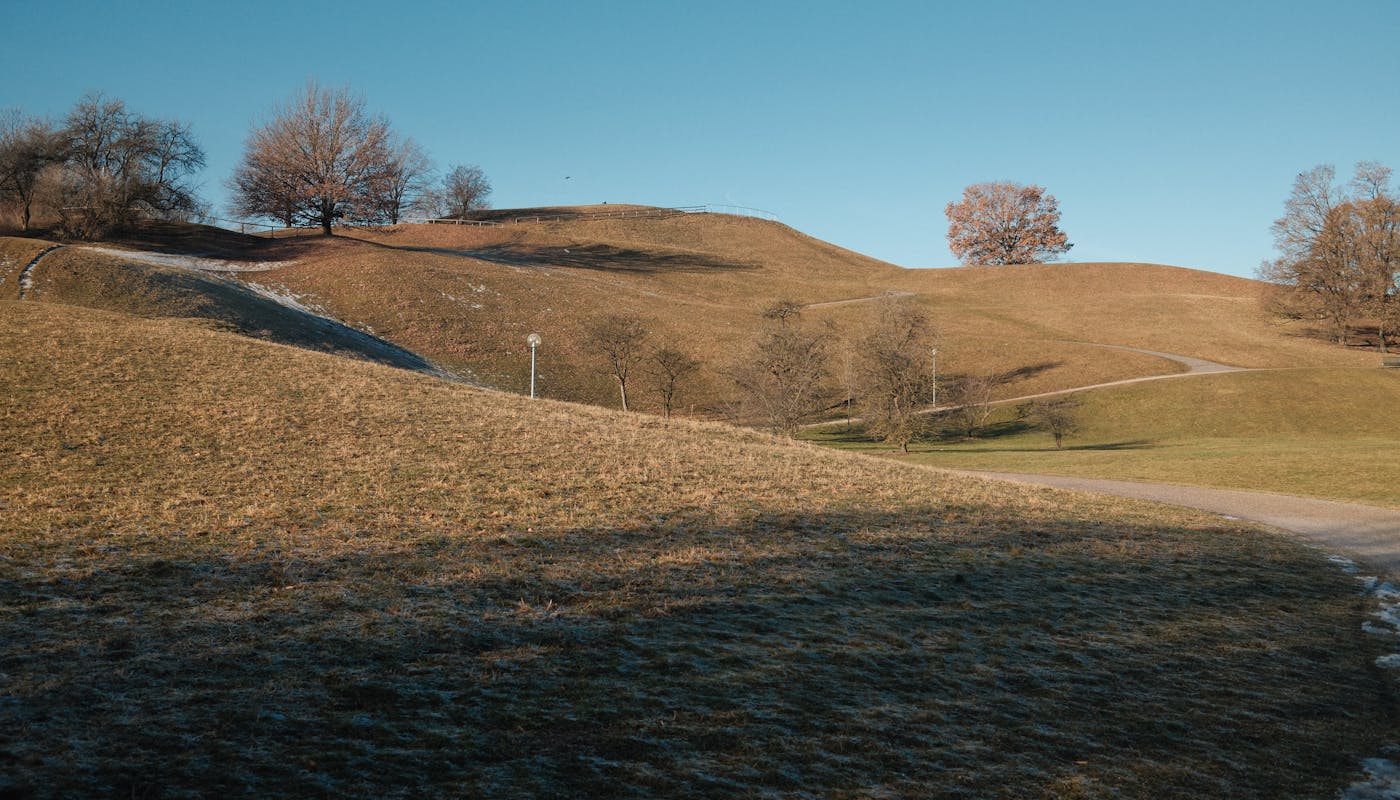
Dormant brown winter lawn with bare trees showing grass dormancy during cold season in landscaped yard

When Does Overseeding Create More Problems Than It Solves?

Overseeding creates problems most often when the spring transition is handled incorrectly. If ryegrass is allowed to stay thick and green into April and May, it competes directly with the waking warm-season grass at its most critical establishment window. The result is a patchy, stressed lawn that takes the entire growing season to recover. Three situations where overseeding typically causes more harm than good:

  • St. Augustine lawns in any condition. The grass type does not transition well and the spring recovery is consistently poor.
  • Lawns that went into fall with thin coverage, bare spots, or pest damage. Ryegrass seed on bare soil comes in thick but leaves the underlying problems unaddressed, and the spring competition makes recovery harder.
  • Homeowners who cannot commit to the spring management steps: reducing ryegrass irrigation in April, mowing low to stress the cool-season grass, and withholding nitrogen until the warm-season lawn is clearly dominant.

Homeowners considering Big Easy Sod for a lawn replacement rather than overseeding have that option if the underlying lawn is in poor enough condition that a fresh install makes more sense than working around it.

How Do You Overseed a New Orleans Lawn Correctly?

Correct overseeding in Louisiana follows a specific sequence. Mow the existing lawn short, down to about 1.5 inches, before seeding so the ryegrass seed makes contact with the soil rather than resting on top of grass blades. Aerate the lawn first if the soil is compacted, which also improves seed-to-soil contact. Broadcast annual ryegrass seed at 5 to 10 pounds per 1,000 square feet. Apply a light topdressing of sand or compost to hold moisture around the seed. Water lightly twice daily until germination, typically 7 to 10 days. Reduce watering frequency once the ryegrass is established.

The timing window matters. Seeding before soil temperatures drop to the 65-degree range, which in New Orleans typically means waiting until late October or early November, produces uneven germination and weak coverage. Seeding too late in November risks germination that doesn’t finish before the first cold snap.

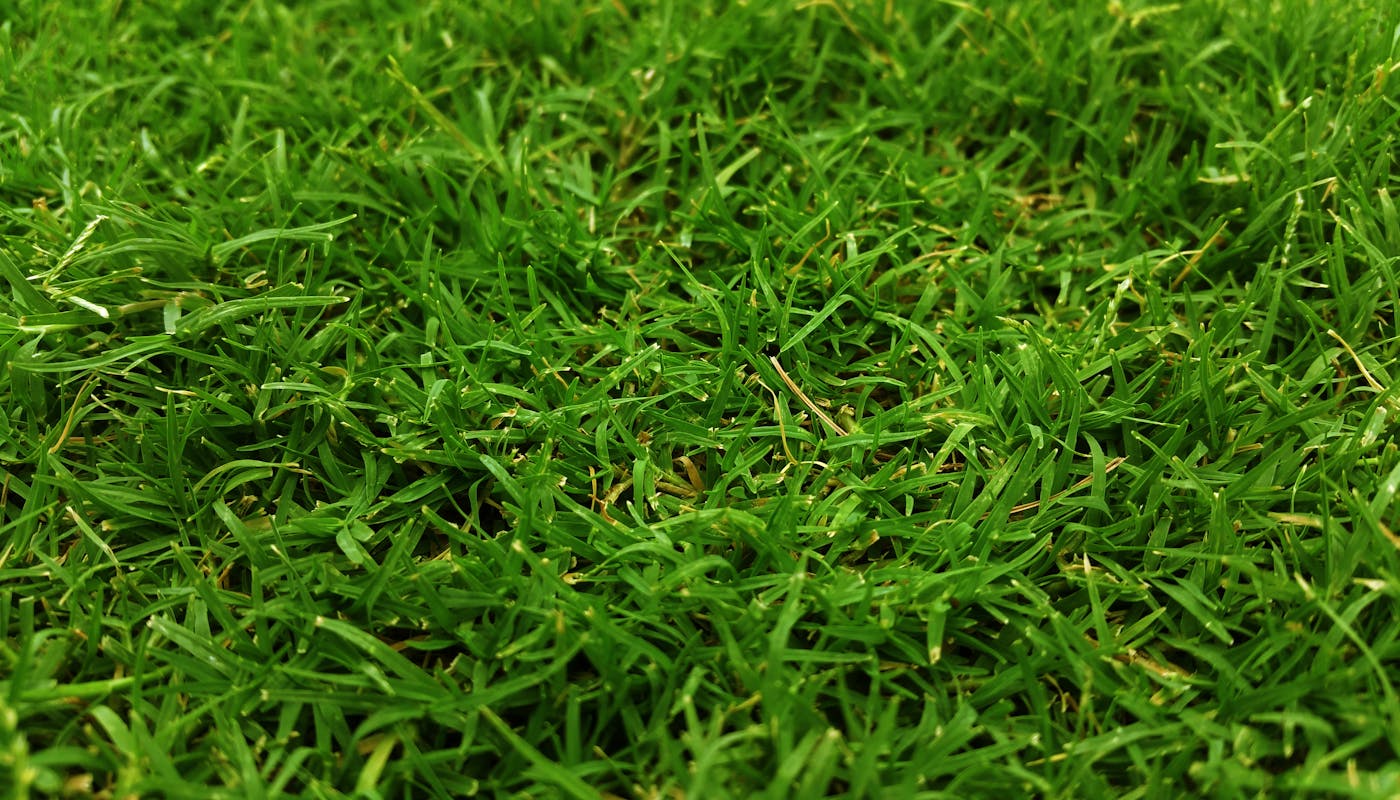
Dense green warm-season lawn grass blades thriving after spring green-up recovery close-up view

For homeowners who overseeded last year and are managing their fall prep more broadly, the full winter preparation steps for New Orleans lawns covers the other fall care priorities that work alongside or instead of overseeding.

How Do You Transition Ryegrass Out in Spring Without Damaging Your Lawn?

Spring transition is the step most New Orleans homeowners get wrong. The goal is to stress the ryegrass enough that it dies back before it significantly delays warm-season green-up. Start reducing ryegrass irrigation in April as soil temperatures climb toward 80 degrees Fahrenheit. Mow low, at 1 inch, to reduce the ryegrass canopy and let more sunlight reach the underlying Bermuda or Zoysia. Withhold nitrogen fertilizer until the warm-season grass is clearly dominant, then apply a full feeding at green-up to support recovery.

Do not apply pre-emergent herbicides in spring on an overseeded lawn. Pre-emergents are applied in fall on non-overseeded lawns to prevent winter weed germination, but they block ryegrass germination as well. Homeowners who overseed need to skip the fall pre-emergent application and manage winter weeds manually instead. Call Big Easy Sod at (504) 608-3321 to talk through a fall lawn plan specific to your grass type and property in Greater New Orleans.

Frequently Asked Questions

Should you overseed St. Augustine grass in New Orleans?

No. St. Augustine grass should not be overseeded with annual ryegrass in New Orleans. The dense growth habit of St. Augustine blocks even seed germination, and the spring competition from ryegrass consistently delays St. Augustine recovery at green-up. Big Easy Sod recommends focusing on aeration and soil prep for St. Augustine lawns in fall rather than overseeding.

What type of seed is used for overseeding in Louisiana?

Annual ryegrass is the standard seed for overseeding in Louisiana. It germinates quickly at fall soil temperatures between 50 and 65 degrees Fahrenheit, provides green coverage through the Louisiana winter, and dies naturally when soil temperatures rise above 85 degrees Fahrenheit in late spring, allowing the underlying warm-season grass to recover.

When should you overseed in New Orleans?

Late October through early November is the correct window for overseeding in New Orleans. Seeding before soil temperatures drop to the 65-degree range produces uneven germination. Waiting too late in November risks incomplete germination before the first cold snap reduces soil temperatures below the germination threshold.

Does overseeding hurt your lawn in the long run?

Overseeding done correctly does not cause permanent damage. Overseeding managed incorrectly, particularly when the spring ryegrass transition is delayed, can set back the warm-season lawn’s recovery by two to four weeks or longer. The greatest risk is on lawns that were already thin or stressed going into fall, where ryegrass competition at green-up worsens existing problems rather than masking them.

Can you skip pre-emergent herbicide if you plan to overseed in fall?

Yes. Pre-emergent herbicides applied in fall prevent winter weed germination, but they also block ryegrass seed germination. Homeowners who plan to overseed must skip the fall pre-emergent application and manage winter weeds by hand or with post-emergent products if needed. Re-apply pre-emergent the following fall once overseeding is no longer planned.