Quick Summary
New Orleans sod needs 1 to 1.5 inches of water per week during summer, delivered in two or three deep sessions rather than daily light watering. Morning irrigation between 5 and 9 a.m. is the correct schedule for Louisiana lawns in summer: it gives grass blades time to dry before afternoon heat peaks and avoids the prolonged wet-foliage conditions that promote fungal disease overnight. Daily shallow watering is the most common mistake on New Orleans lawns and produces the opposite of the intended result: shallow roots that are more vulnerable to heat stress, not less. Big Easy Sod serves homeowners across Greater New Orleans and the surrounding parishes of Southeast Louisiana.
Last Updated: May 2026
New Orleans summer watering for sod comes down to two rules that most irrigation systems are not set up to follow by default: water in the morning, and water deeply but infrequently. Big Easy Sod’s guidance for Greater New Orleans homeowners is straightforward: 1 to 1.5 inches per week, delivered in two or three sessions per week rather than daily, between 5 and 9 a.m. to allow the blades to dry before afternoon heat peaks. During Louisiana’s wet summer months, natural rainfall often covers part or all of that requirement, and supplemental irrigation should be adjusted accordingly. Homeowners preparing for fall care can connect summer watering habits to the soil conditions that affect fall aeration timing and effectiveness on Louisiana clay.
What Time of Day Should You Water Sod in Louisiana Summer?
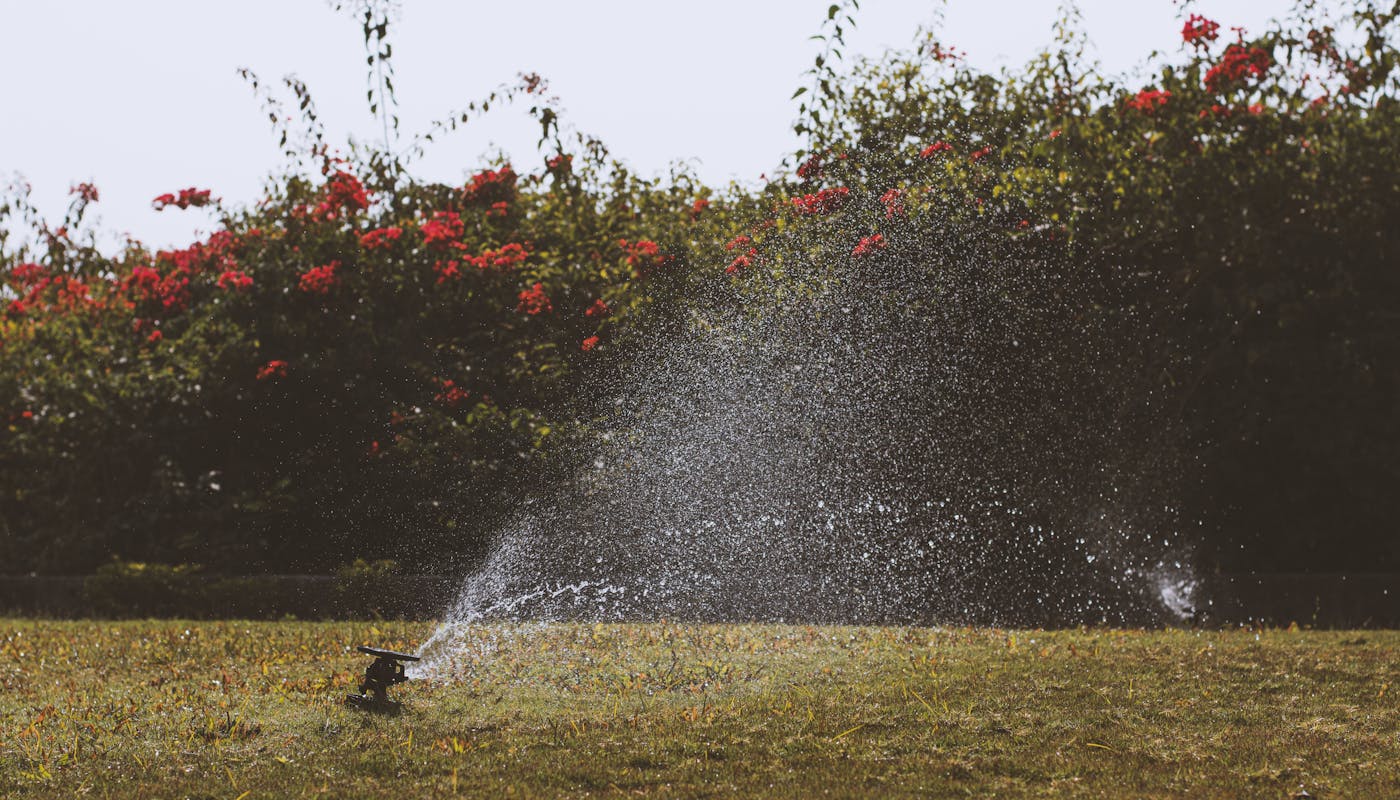
Water between 5 and 9 a.m. Morning irrigation is correct for Louisiana sod in summer for two specific reasons. First, morning watering gives grass blades time to dry before afternoon heat peaks, reducing the risk of heat amplification on wet foliage. Second, and more importantly for Louisiana’s climate, it avoids the prolonged wet-foliage conditions that promote brown patch and other fungal diseases when grass stays wet overnight in 80-degree Fahrenheit temperatures with 80 to 90 percent humidity.
Evening watering is the worst schedule for New Orleans sod. Grass that stays wet from a 7 p.m. irrigation through a 90-degree, high-humidity Louisiana night is in near-perfect conditions for Rhizoctonia solani, the fungus that causes brown patch. Brown patch is the most common lawn disease in Southeast Louisiana from late summer through early fall, and evening irrigation is a direct contributing factor. Midday watering wastes water through evaporation and can amplify heat stress rather than reduce it.
How Much Water Does New Orleans Sod Need Per Week in Summer?
Established warm-season sod in Greater New Orleans needs 1 to 1.5 inches of water per week during the growing season from April through October. In practice during a typical Louisiana wet season, New Orleans averages 5 to 7 inches of rainfall per month from June through August, which often exceeds the weekly requirement. During those weeks, supplemental irrigation is not needed and can be suspended entirely.
During dry stretches, deliver the weekly requirement in two or three sessions: approximately 0.5 inches per session, applied deeply enough to wet the soil to 4 to 6 inches. A simple test: after irrigation, push a screwdriver 6 inches into the soil. If it slides in without resistance, the soil is moist at depth. If it meets resistance at 2 to 3 inches, increase the session duration. A rain gauge placed in the lawn confirms how much natural rainfall is contributing and prevents double-watering.
| Grass Type | Weekly Need (Summer) | Drought Tolerance | Adjustment Notes |
|---|---|---|---|
| St. Augustine | 1 to 1.5 inches | Moderate | Wilts quickly in heat; watch for grey-green color change as stress signal |
| Zoysia | 1 to 1.25 inches | High | Can skip one watering session per week without visible stress in most Louisiana summers |
| Bermuda | 1 inch | High | Most drought-tolerant option; goes dormant temporarily rather than dying in extended dry periods |
What Are the Signs Your Sod Is Not Getting Enough Water in Louisiana Heat?
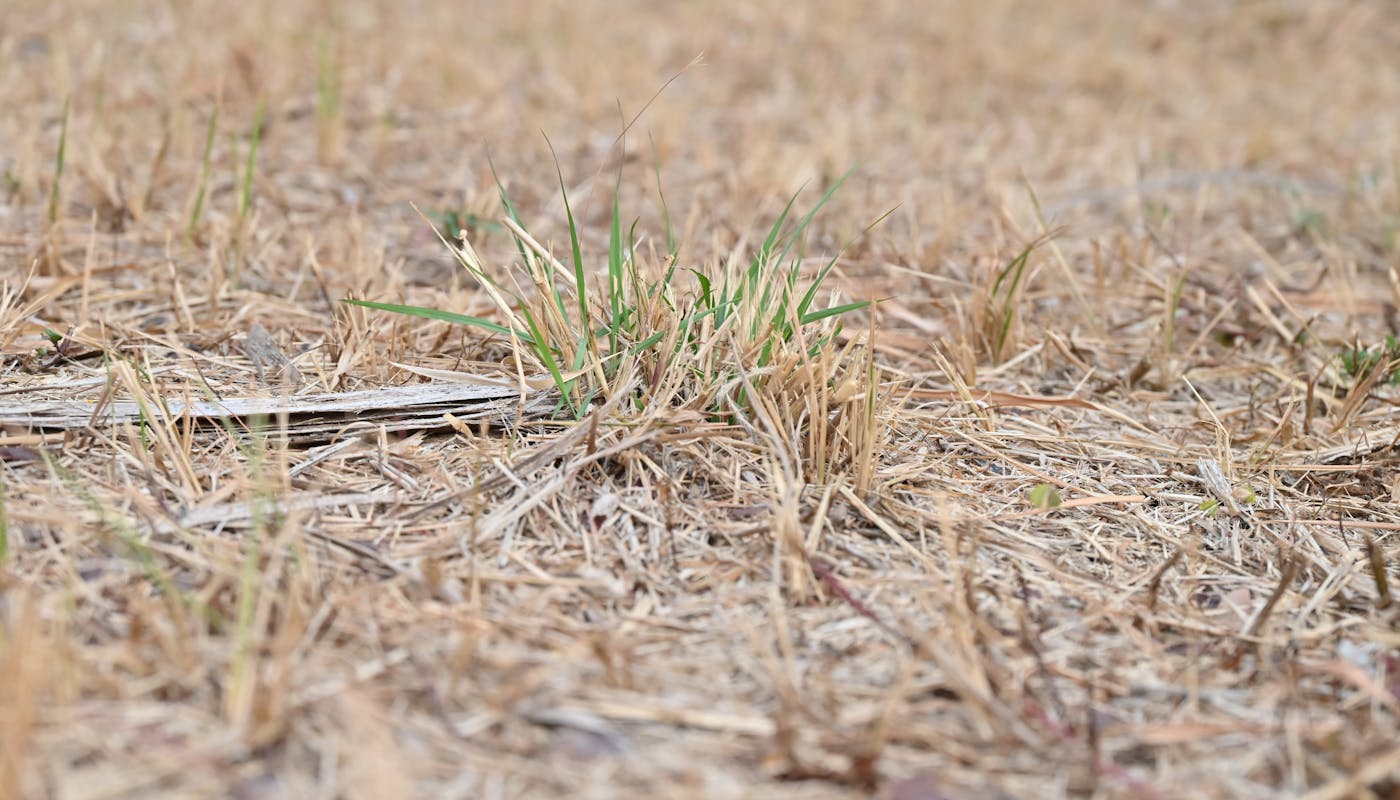
The first visible sign of underwatering in Louisiana sod is blade folding: grass blades curl lengthwise along their central rib as the plant reduces its exposed surface area to conserve moisture. On St. Augustine, the color shifts from bright green to a grey-green or blue-green hue before the blades curl. On Zoysia and Bermuda, the grass may appear dull and flat rather than upright. Footprints that stay visible in the lawn for more than a few seconds indicate the blades lack the turgor pressure to spring back, a reliable early-stress indicator before visible browning begins.
Browning that starts at the tips and progresses downward is heat and drought stress. Browning that starts at the base of the blades and creates circular or irregular patches is more likely fungal disease, chinch bug damage, or soil compaction rather than underwatering. Correct diagnosis before increasing irrigation is important: overwatering a fungal patch makes it worse. If you’re uncertain, Big Easy Sod’s lawn health assessment service can identify the actual cause before you treat for the wrong problem.
Can You Overwater Sod in Louisiana’s Humid Climate?
Yes, and overwatering is nearly as common a problem in New Orleans as underwatering. Louisiana’s naturally high humidity already keeps the soil surface moist between rain events during summer months. Adding daily irrigation on top of that moisture keeps the top 2 inches of soil perpetually saturated, which is the condition that promotes root rot, fungal disease, and shallow root development.
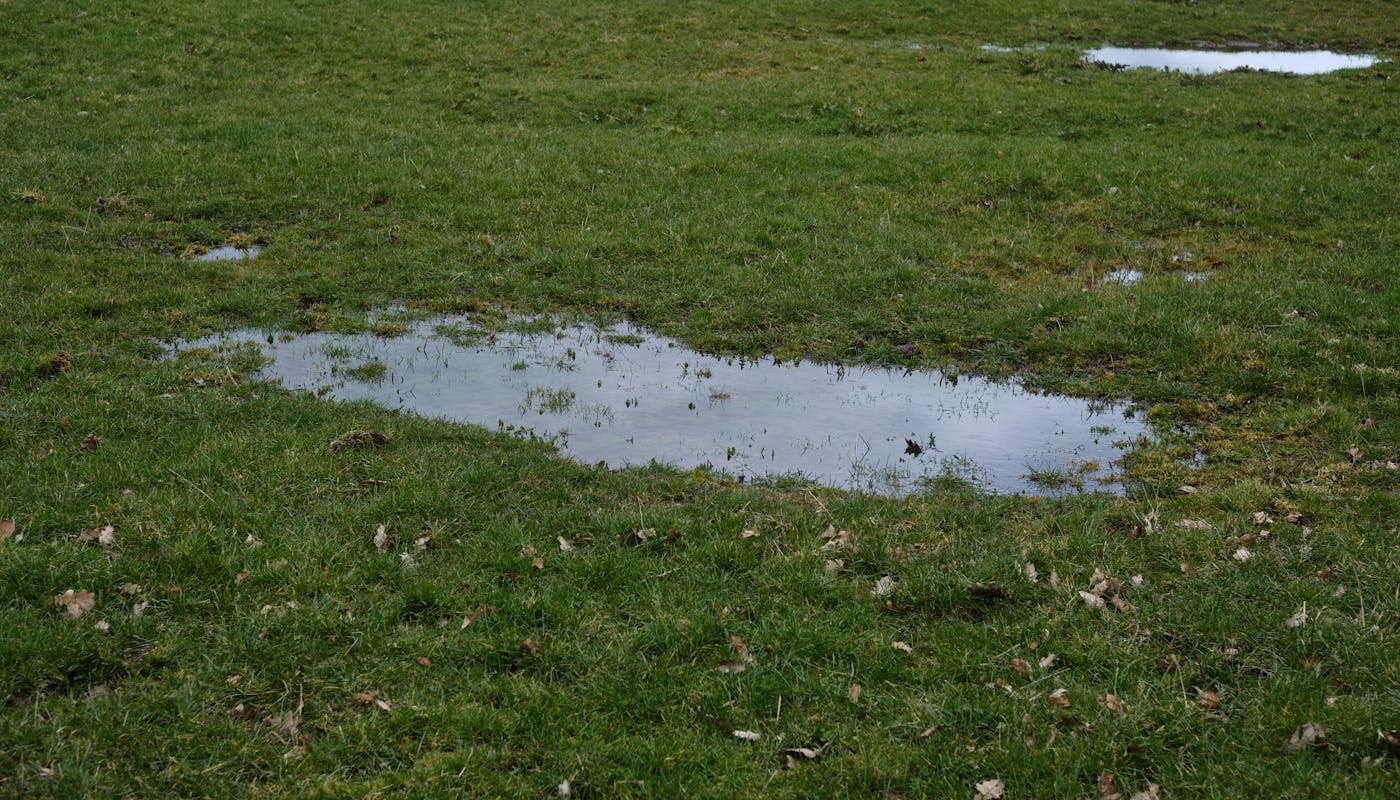
The most reliable indicator of overwatering: mushrooms appearing in the lawn, moss growth at the soil surface, or standing water that doesn’t drain within 4 hours of irrigation or rainfall. If any of those appear alongside daily irrigation, reduce sessions to twice per week immediately and assess whether the soil has a drainage problem that needs to be addressed through aeration. How well your soil holds or releases moisture through summer directly affects fall overseeding and winter prep decisions for the rest of the year.
To build a seasonal watering schedule matched to your grass type and irrigation system, or to assess whether your lawn’s summer problems are water-related, call Big Easy Sod at (504) 608-3321. The team serves homeowners across New Orleans, Metairie, Kenner, the Westbank, the Northshore, and surrounding Southeast Louisiana parishes.
Frequently Asked Questions
How often should you water St. Augustine grass in New Orleans in summer?
St. Augustine grass in New Orleans needs 1 to 1.5 inches of water per week during summer, delivered in two to three deep sessions rather than daily. Morning watering between 5 and 9 a.m. reduces fungal disease risk. During weeks with significant rainfall, reduce supplemental irrigation accordingly to avoid overwatering.
What time should you water sod in Louisiana?
Water between 5 and 9 a.m. Morning irrigation allows grass blades to dry before afternoon heat peaks and avoids the overnight wet-foliage conditions that promote brown patch and other fungal diseases common in Southeast Louisiana’s humid climate.
Why does my New Orleans lawn have brown patches in summer even though I water it?
Brown patches on a watered New Orleans lawn in summer are more often caused by brown patch fungal disease, chinch bugs, or soil compaction than by underwatering. Brown patch thrives in Louisiana’s warm, humid nights. Chinch bugs create expanding dead patches on St. Augustine. Correct diagnosis before treating is important, as increasing irrigation on a fungal patch makes the problem worse.
How do I know if I’m watering my lawn enough in New Orleans summer heat?
Push a screwdriver 6 inches into the soil after irrigation. If it slides in with minimal resistance, the soil is moist at root depth. If you see grass blades folding lengthwise or a grey-green color on St. Augustine, the lawn is entering moisture stress and needs water within 24 hours. Footprints that remain visible for more than a few seconds also indicate stress before visible browning begins.
Does Big Easy Sod offer lawn watering or irrigation advice for New Orleans homeowners?
Yes. Big Easy Sod provides lawn health assessments and seasonal care guidance across Greater New Orleans. If your summer watering schedule is not producing the results you expect, call (504) 608-3321 to schedule an assessment. The team can identify whether the issue is watering schedule, soil compaction, fungal disease, or pest damage.