Quick Summary
Preparing a New Orleans lawn for winter centers on one rule that most homeowners get wrong: stop fertilizing by Labor Day. High-nitrogen applications in September or October push soft new growth that is the first tissue to die when cold temperatures arrive, leaving the lawn weaker going into spring than if fertilizer had been withheld entirely. Beyond that, Louisiana winter prep involves maintaining irrigation through dormancy, mowing to the correct height before the first frost, and addressing bare spots or compaction before the soil closes for the season. Big Easy Sod helps homeowners across Greater New Orleans build a fall care plan specific to their grass type and soil conditions.
Last Updated: May 2026
New Orleans doesn’t see the hard winters that damage lawns in northern states, but the Louisiana Gulf Coast gets cold enough to push warm-season grass into dormancy, and what happens in fall determines how the lawn comes out in spring. Big Easy Sod’s guidance for Greater New Orleans homeowners comes down to a clear sequence: stop nitrogen fertilizing before September, keep watering through the dormant period, mow at the right height before the first frost, and deal with compaction and bare spots before the soil temperature drops. Homeowners already managing aeration timing alongside winter prep can find the fall aeration window details in the full breakdown of fall lawn aeration for Louisiana clay soil.
When Should You Stop Fertilizing a Louisiana Lawn Before Winter?
Stop applying nitrogen fertilizer by Labor Day, the first Monday of September, for all warm-season lawns in Greater New Orleans. Nitrogen applied in September or October stimulates new shoot growth that is tender and frost-vulnerable. That new growth is the first tissue to die when overnight temperatures drop below 40 degrees Fahrenheit in November and December, leaving the lawn with dead patches going into the spring green-up window.
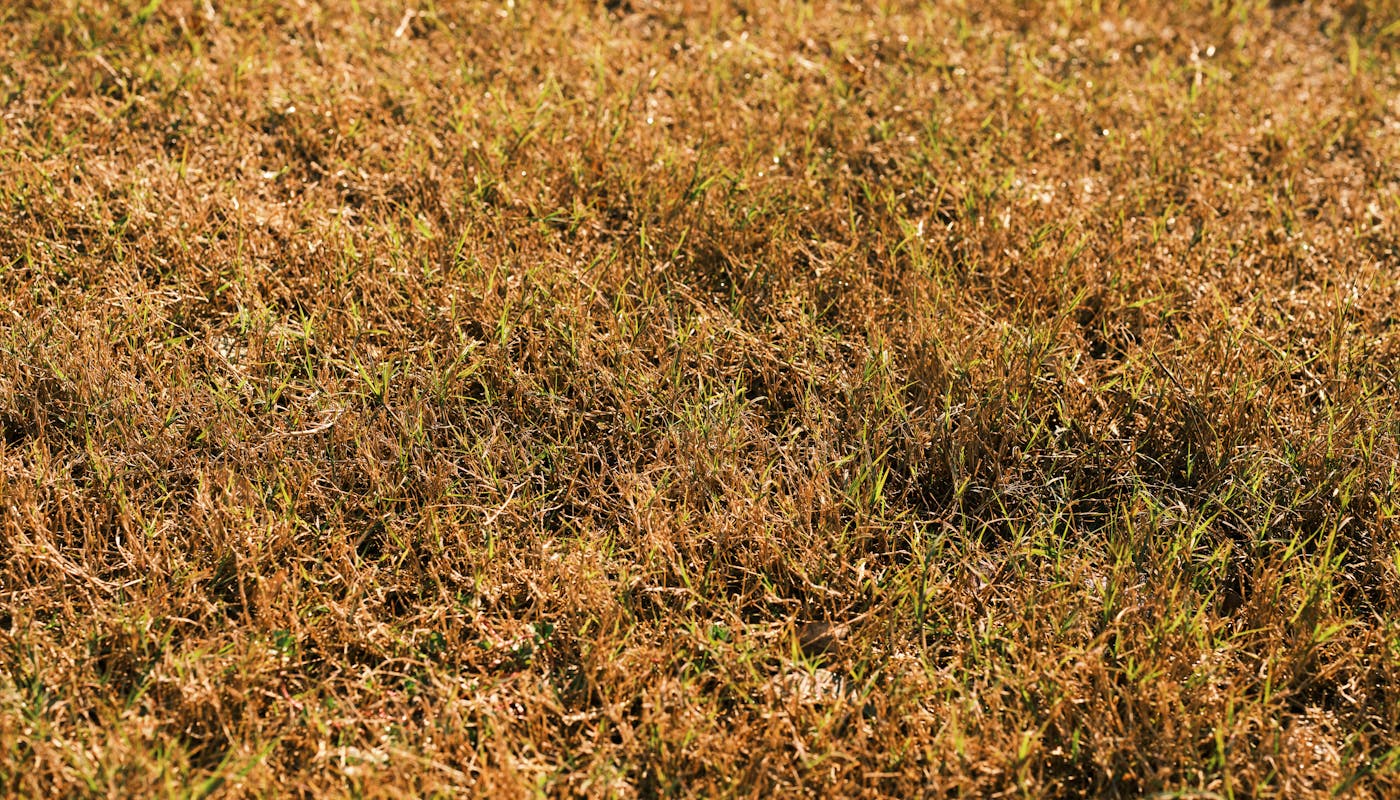
The lawn does not need nitrogen heading into dormancy. What it needs is to harden off: slow its growth rate, move carbohydrates into the root system, and reduce the leaf tissue that cold temperatures damage. A potassium application (potassium sulfate or muriate of potash at recommended rates) in September can improve cold hardiness across all Louisiana warm-season grass varieties, but nitrogen should not accompany it. Big Easy Sod’s scheduled fertilization service follows a Louisiana-specific calendar that stops nitrogen in August and switches to a potassium-only fall application for clients who request it.
Should You Keep Watering Your Lawn Through the Louisiana Winter?
Yes. Dormant grass still requires soil moisture. Louisiana winters bring extended dry stretches between rain events, and warm-season grasses in Zone 9b can experience winter desiccation when the soil dries out during those dry periods. The roots are alive and pulling moisture even when the blades are brown and dormant.
Reduce irrigation frequency as the lawn goes dormant but do not shut it off. In practice this means one deep watering per week through December and January on weeks without measurable rainfall, and skipping only during weeks with an inch or more of rain. Resume the standard growing-season schedule when daytime temperatures consistently reach the 70s in late February. Homeowners who shut off irrigation entirely through winter and resume in spring often find the lawn slow to green-up, not because of cold damage but because of dry root stress accumulated through the dormant months.
What Mowing Height Should You Use Before Your Lawn Goes Dormant?
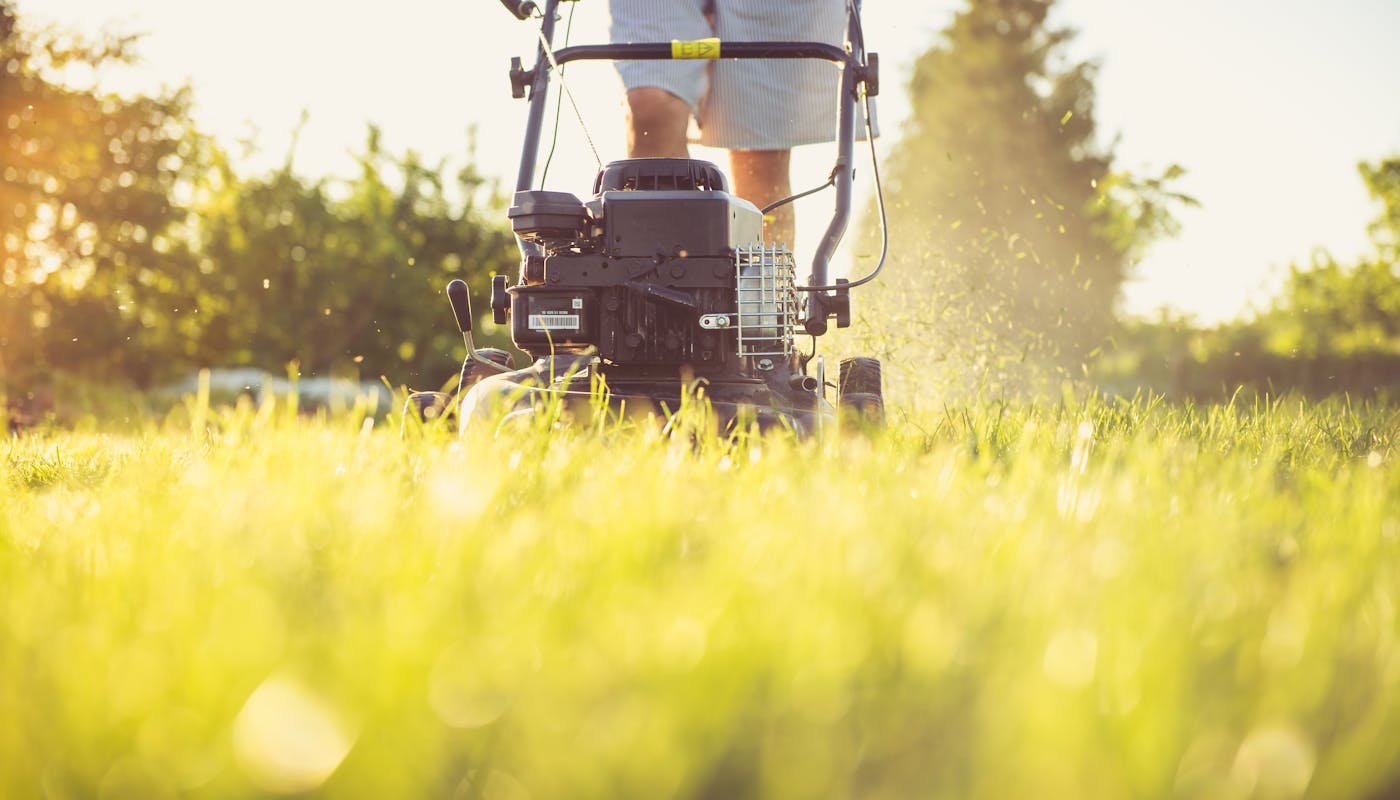
Mow warm-season grass slightly shorter than the summer maintenance height in October, then stop mowing once growth slows to nearly nothing. The reasoning: tall grass going into dormancy mats down under the weight of winter rain, creating conditions for fungal disease at the soil surface. Short grass with no new growth accumulation dries faster and has less thatch buildup going into spring.
Target heights for the final fall mowing by grass type:
| Month | Task | Why It Matters | Grass Types |
|---|---|---|---|
| >September | >Final fertilization (low-N) | >Feeds roots without pushing growth before cold | >All |
| >October | >Reduce mowing frequency | >Grass growth naturally slows; avoid scalping | >All |
| >October–November | >Set final mowing height | >Protects crown from cold; reduces disease risk | >All |
| >November | >Stop irrigation (if no rain) | >Reduces fungal disease risk during dormancy | >St. Augustine, Zoysia |
| >November–December | >Aerate or dethatch (if needed) | >Opens soil for spring root surge | >Bermuda, Zoysia |
| >December–January | >Water once if dry spell exceeds 3 weeks | >Prevents crown desiccation in mild winters | >All |
| >February | >Watch for early green-up | >Signal to resume light maintenance routine | >All |
- St. Augustine: mow to 3 inches (summer height is 3.5 to 4 inches). Do not scalp St. Augustine in fall.
- Zoysia: mow to 1.5 inches (summer height is 2 to 2.5 inches).
- Bermuda: mow to 1 inch (summer height is 1 to 1.5 inches). If you plan to overseed with ryegrass, mow to 1 inch before broadcasting seed.
Do not mow after the first frost. Frost-damaged blades that are cut immediately after a freeze are more vulnerable to further cold damage than blades left in place to recover.
Does Dethatching or Aeration Help Before Louisiana Winter Dormancy?
Fall aeration is one of the most beneficial pre-winter steps for New Orleans lawns on clay soil. Core aeration opens channels in the compacted clay that fill with soil and organic matter through winter rain events, improving drainage and root development for spring. The timing window is late October through early November, before the first frost. Detailed guidance on the fall aeration process and frequency for Louisiana clay is in the winter prep overview for Louisiana lawns, which covers the full fall care sequence.
Dethatching is beneficial in fall for St. Augustine lawns with visible thatch buildup over 0.5 inches. St. Augustine accumulates thatch faster than Zoysia or Bermuda, and a thick thatch layer going into winter creates the humid, closed conditions that favor brown patch fungal disease during Louisiana’s wet, warm-for-winter December and January periods. Big Easy Sod’s aeration and dethatching service handles both in a single fall visit for homeowners who need both done.
What Should You Do If Your Lawn Has Bare Spots Going Into Winter?
Bare spots in a New Orleans lawn going into winter will not fill in on their own during dormancy. The underlying cause should be identified and addressed in fall before the soil closes for the season. The three most common causes of bare spots in Louisiana warm-season lawns are chinch bug damage on St. Augustine (which leaves circular dead patches), compaction-related root failure in high-traffic areas, and shade progression from tree canopy growth that now blocks too much light for the grass variety installed.
For bare spots caused by compaction or traffic: core aerate, topdress with compost, and let the surrounding grass fill in during spring green-up. For shade-related failure: assess whether a more shade-tolerant variety is needed and plan a spot replacement after spring green-up, when new sod can establish before summer heat arrives. For chinch bug damage: treat the perimeter of the damaged area with bifenthrin, then plan sod repair with Big Easy Sod in spring. Call (504) 608-3321 to schedule a fall lawn assessment across Greater New Orleans, Metairie, Kenner, the Westbank, or the Northshore.
Frequently Asked Questions
When should you stop fertilizing your lawn in Louisiana?
Stop applying nitrogen fertilizer by Labor Day in Louisiana. Nitrogen applied after September stimulates tender new growth that is the first tissue to die when fall and winter temperatures drop, weakening the lawn going into spring green-up. A potassium-only application in September can improve cold hardiness without the drawbacks of late-season nitrogen.
Should you water your lawn in winter in New Orleans?
Yes, but less frequently. Dormant warm-season grass in Zone 9b still requires soil moisture through Louisiana winter. Water once per week deeply during dry stretches in December and January. Shutting off irrigation entirely through winter causes dry root stress that slows spring recovery, even without visible damage to the dormant blades.
Should you dethatch St. Augustine grass in fall in Louisiana?
Yes, if the thatch layer exceeds 0.5 inches. St. Augustine accumulates thatch faster than other warm-season varieties in Louisiana, and thick thatch going into winter creates humid conditions that promote brown patch fungal disease during the mild, wet Louisiana winter months. Dethatching in October before dormancy removes that risk and opens the soil surface for better air circulation.
What causes brown patch disease on Louisiana lawns in winter?
Brown patch is caused by Rhizoctonia solani fungus, which thrives when nighttime temperatures are between 60 and 75 degrees Fahrenheit combined with high humidity and wet turf surfaces. These conditions are common in Louisiana from late October through early December. Proper fall mowing height, adequate drainage, and avoiding late-night irrigation all reduce brown patch risk heading into the Louisiana winter.
Does Big Easy Sod offer fall lawn care services in Greater New Orleans?
Yes. Big Easy Sod provides fall lawn maintenance services across Greater New Orleans, including aeration, dethatching, scheduled fertilization, and lawn health assessments. Call (504) 608-3321 to schedule a fall service visit or ask about an annual maintenance plan for your lawn.