Last Updated: May 2026
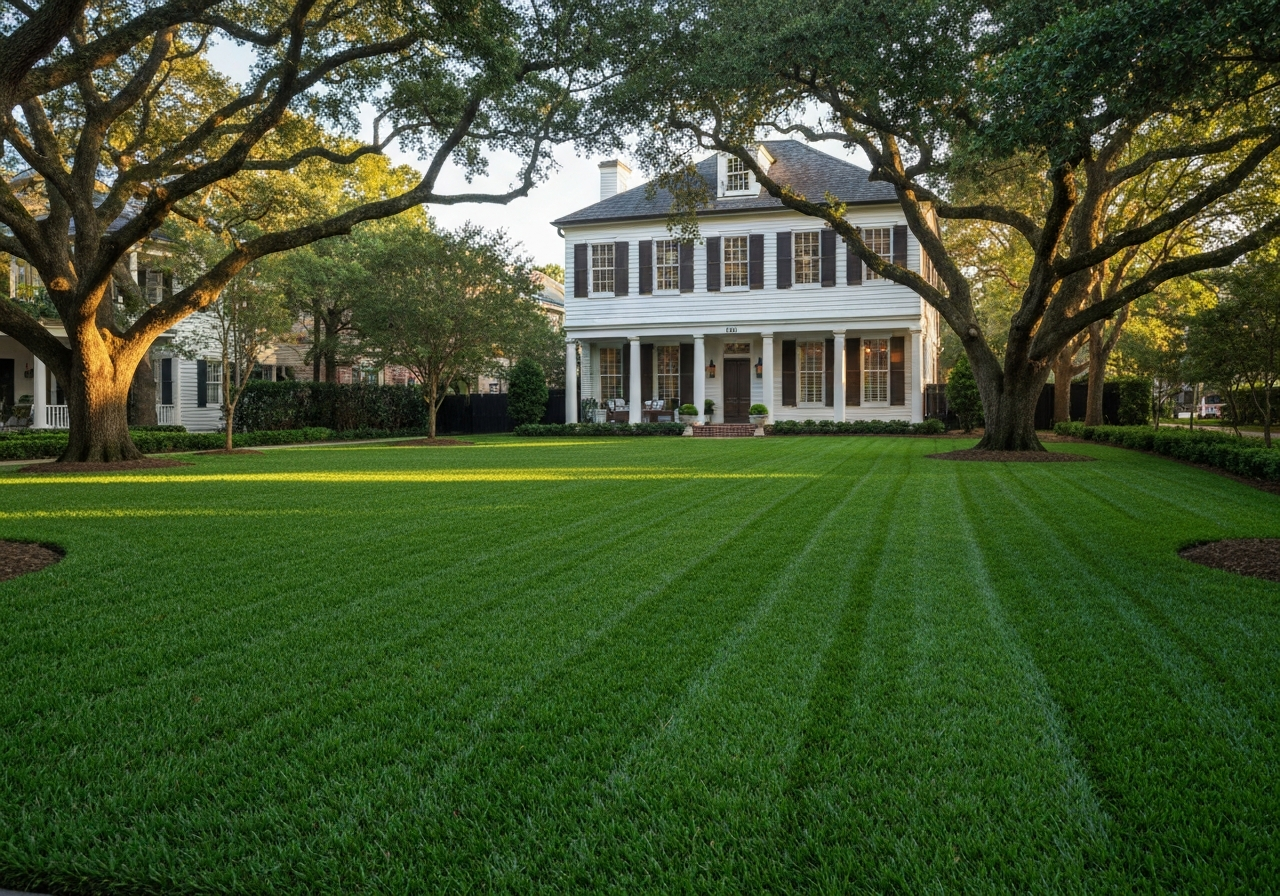
New sod looks like a finished lawn the day it goes down. Green, full coverage, and easy to assume the hard part is behind you. The hard part is actually the 30 days that follow.
This first month is when roots develop, when the lawn transitions from transplanted grass to something actually growing in your soil, and when the biggest mistakes happen. Here is what the week-by-week progression looks like in a New Orleans yard.
What Does Week One After Sod Installation Look Like?
The first seven days are entirely about keeping the sod alive while roots begin reaching into your prepared soil. The grass has almost no root contact yet and is surviving on whatever moisture it carried from the farm plus what you apply through irrigation.
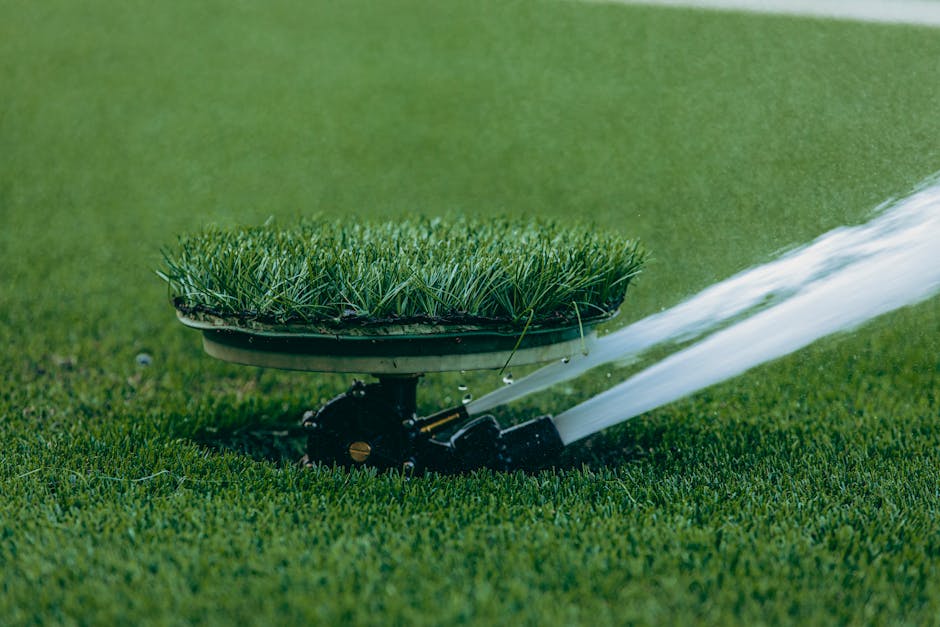
Water twice per day during week one if temperatures exceed 85 degrees, which is standard in New Orleans from May through September. Morning watering around 6 to 8 a.m. followed by an afternoon session around 4 to 5 p.m. gives the soil time to absorb before peak midday heat. The target is moisture 2 to 3 inches deep, not just wet grass blades on the surface.
Stay completely off the lawn during week one. The sod rolls are not anchored and foot traffic creates air gaps between the sod underside and the soil, exactly the condition that prevents rooting. Some yellowing at cut seams and edges during the first week is normal. As long as the interior of each sod piece stays green and upright, this edge yellowing typically resolves by week two as new growth begins.
What Should You Watch for in Week Two?
By day 10 to 14, the first roots are reaching into the soil. Test this by gently tugging a corner of a sod piece. Some resistance means rooting is underway. A piece that lifts easily means roots have not formed yet in that spot.
Continue twice-daily watering in hot weather through week two. If conditions are cooler or overcast, once-daily watering may be sufficient, but push a finger 2 to 3 inches into the soil to confirm moisture is reaching that depth.
Two specific problems to watch for in week two. Circular brown patches that spread outward indicate brown patch fungus, which spreads in New Orleans’ humidity when water sits on grass blades overnight. If you see this pattern, shift to morning-only watering and treat with a fungicide labeled for your grass type. Yellowing across large sections of the lawn, not just at seams and edges, signals drought stress. Increase irrigation immediately. The detailed watering schedule for new sod covers how to calibrate irrigation through the full first month.
What Changes in Weeks Three and Four?
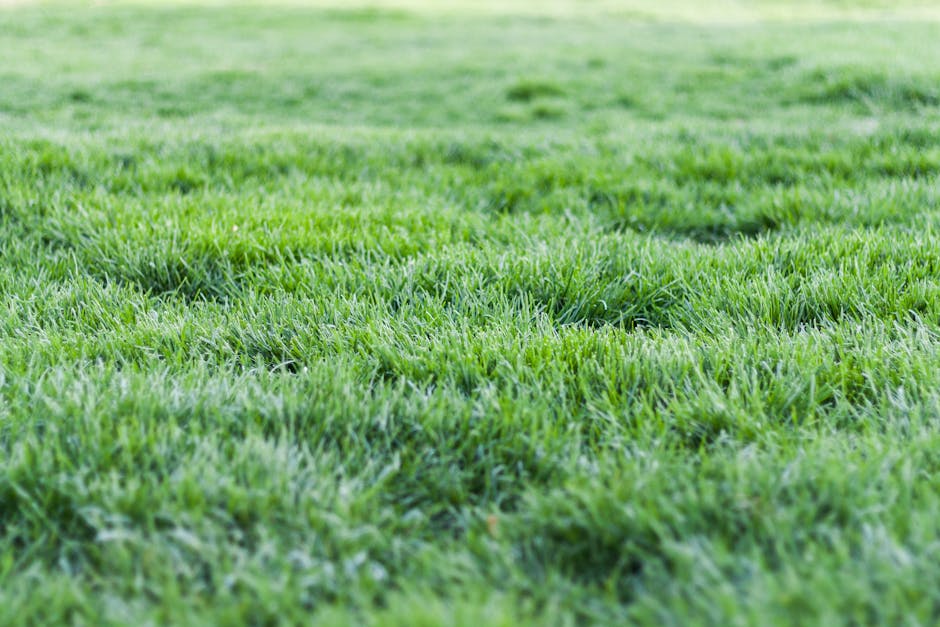
Weeks three and four are the transition from new installation to establishing grass. The tug test shows firm resistance by week three. Seams between sod pieces begin knitting as the grass spreads horizontally. Color deepens from the slightly pale transplant-shock appearance to the full green of established turf.
Reduce watering to every other day in week three and two to three times per week by week four. The roots are now reaching several inches into the soil and can access more moisture between cycles. Daily watering at this stage actually discourages deep root growth beca
use the grass does not need to reach deeper for water when the surface stays consistently wet.
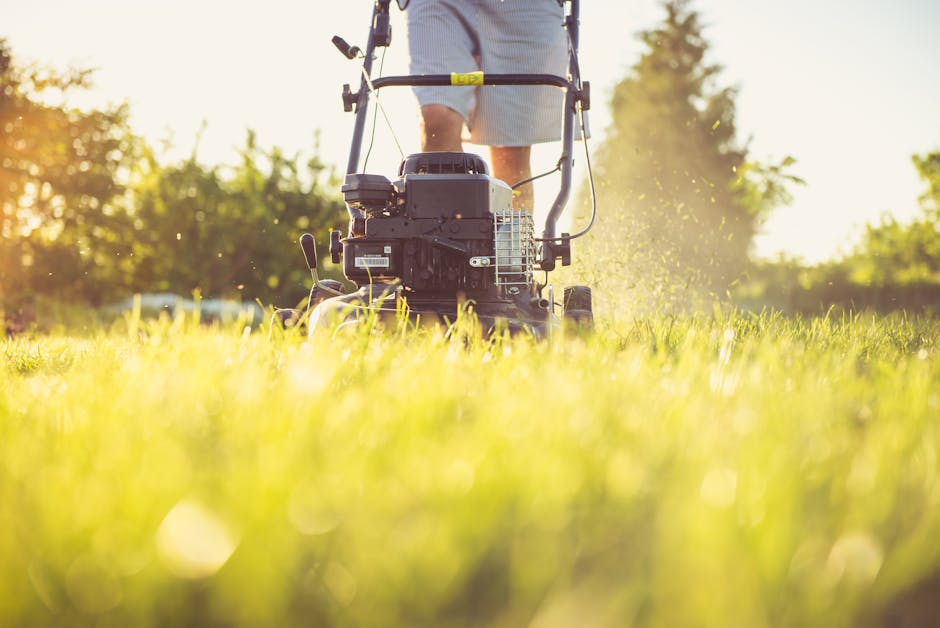
Week three is also when the first mow becomes appropriate, once the tug test confirms rooting. Mow high on the first pass, removing no more than one third of the blade height. Set the deck to 3.5 to 4 inches for St. Augustine, 2 to 3 inches for Zoysia or Bermuda. Use sharp blades. Dull blades tearing at newly rooted grass can pull sod pieces off the soil surface.
What Warning Signs Require Immediate Attention?
A gray or bluish-green tint appearing across large sections of the lawn is the first sign of drought stress in St. Augustine before browning sets in. Increase irrigation at the first visible color shift, not after the lawn turns fully brown.
Sod seams that widen rather than narrow over multiple days indicate the sod is dehydrating. Increase irrigation immediately. Gaps that widen over several days despite adequate watering suggest an underlying drainage or soil contact problem in that zone.
Standing water on the lawn surface that persists more than 24 hours after installation points to a drainage issue that was not corrected during site prep. Persistent waterlogging prevents rooting just as effectively as drought. Contact Big Easy Sod to assess whether drainage correction is needed.
Irregular brown patches, not circular, more often indicate pest damage. Chinch bugs are the most common summer pest for St. Augustine in New Orleans. Check for them at the margins of brown patches by parting the grass and looking for small black-and-white insects at the soil surface. Understanding how long roots take to develop in Louisiana helps distinguish normal slow establishment from a problem that needs intervention.
When Is the Lawn Fully Established?
Full establishment, where the root system supports normal lawn use and a standard maintenance schedule, happens at 6 to 8 weeks. After that point, the lawn handles regular mowing, foot traffic, and irrigation reduced to 2 to 3 times per week.
After the first month, transition to the standard maintenance schedule for your grass type. For St. Augustine in New Orleans, that means mowing every 7 to 10 days during the growing season, fertilizing three to four times per year, and monitoring for chinch bugs and brown patch during summer. Sod maintenance services from Big Easy Sod cover everything the lawn needs after it is fully established
.
Frequently Asked Questions
Is it normal for new sod to turn yellow in the first week?
Light yellowing at seams and cut edges during the first week is normal transplant stress and typically resolves as new growth begins. Yellowing across the center of sod pieces or across large sections of the lawn signals drought stress and calls for increased irrigation.
Can I fertilize new sod in the first 30 days?
Wait until after the first mow, typically around week three, before applying any fertilizer. Fertilizing before roots are established can burn the grass. A light starter fertilizer after the first mow helps push growth through the remainder of the establishment period.
Why is my new sod turning brown in spots?
Irregular brown spots in new sod typically point to drought stress, pest damage, or fungal disease. Check soil moisture 2 to 3 inches deep first. If moisture is adequate, look for circular spread patterns that suggest brown patch, or inspect the grass edges for chinch bugs.
When can I let my dog back on new sod?
Keep pets off new sod for at least three weeks until the tug test confirms rooting. Dog traffic on unrooted sod creates air gaps that prevent establishment and can kill sections of the lawn.
How do I know if my new sod is getting enough water?
Push a screwdriver or your finger 2 to 3 inches into the soil next to a sod piece. It should meet moist, workable soil at that depth. Dry, hard soil below the surface means you need to increase irrigation frequency or duration.
What happens if it does not rain for two weeks after installation?
A two-week dry stretch in New Orleans is unusual but possible. During that kind of stretch in the first month, twice-daily irrigation is essential. Maintain the schedule and check soil moisture daily to ensure the root zone stays consistently moist.
Big Easy Sod installs across the New Orleans metro and provides post-installation support so the first 30 days go as expected. If your new lawn shows signs of trouble during establishment, the team can assess before a small issue becomes a replacement situation. Professional sod installation from Big Easy Sod includes follow-up guidance during the critical first month. Request a free quote for your property.