Last Updated: May 2026
Five sod varieties dominate the New Orleans market: St. Augustine, Zoysia, Bermuda, Centipede, and Palmetto. The subtropical climate, high rainfall, and extreme summer heat mean not every grass works in every yard, and picking the wrong variety leads to a lawn that fights its environment instead of thriving in it.
Here is how each variety performs under the actual conditions found in New Orleans yards.
Is St. Augustine the Right Grass for Most New Orleans Yards?
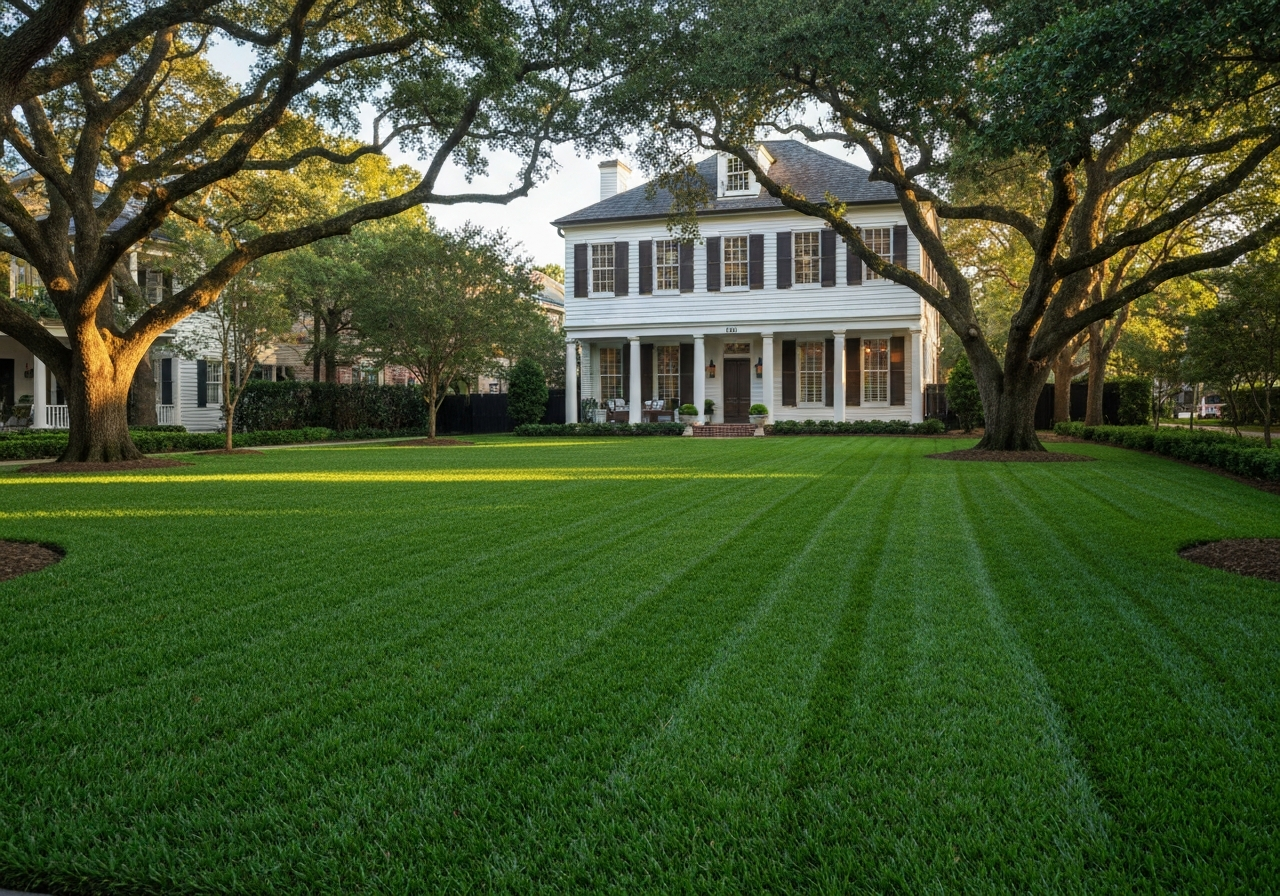
St. Augustine, specifically the Floratam variety, is the default choice for most New Orleans residential lawns. It handles the combination of heat, humidity, and partial shade better than any other warm-season option available here. It spreads aggressively enough to crowd out weeds once established and recovers well from the drought stress that flat, clay-soil urban yards experience during dry stretches.
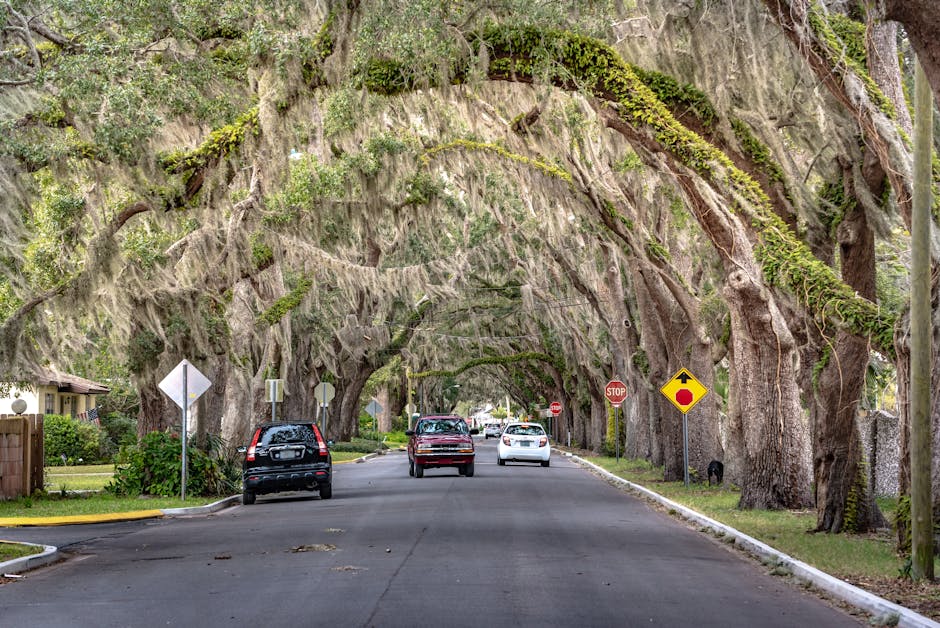
The standard Floratam St. Augustine works on yards with at least 6 hours of direct sun. For shadier yards, common under New Orleans’ large live oaks, standard St. Augustine thins out over time. A shaded lawn starts showing bare patches within 2 to 3 years as the grass gradually loses the density it needs sunlight to maintain.
St. Augustine also has the highest water requirements of the five options. Homeowners without irrigation systems who want a lower-maintenance lawn often do better with Zoysia or Centipede. The St. Augustine sod page covers variety options and long-term care requirements.
When Should You Choose Zoysia Over St. Augustine?
Zoysia suits homeowners who want a thick, dense lawn with significantly lower water requirements than St. Augustine. Zoysia develops deep roots that let it go longer between irrigations, making it the better fit for yards without automatic irrigation or homeowners managing water bills.
The tradeoff is establishment speed. Zoysia spreads more slowly than St. Augustine. A newly sodded Zoysia lawn takes a full growing season longer to reach peak density. Once established, the turf is dense enough that weeds find it nearly impossible to push through, which reduces the ongoing weed management most New Orleans lawns require.
Zoysia handles moderate shade but performs best with 6 or more hours of sun. It goes dormant earlier in fall and greens up later in spring than St. Augustine, adding a few extra weeks of tan-colored lawn at both ends of the season. For homeowners prioritizing long-term water savings over faster establishment, it is worth the slower start. Details are on the Zoysia sod page.
What Yards Is Bermuda Sod Best For in New Orleans?
Bermuda is the fastest-growing and most aggressive spreader among the five options. It fills in gaps and bare spots faster than anything else and handles high foot traffic better than St. Augustine or Zoysia, which makes it common on sports fields, commercial properties, and yards where kids use the lawn hard every day.
The critical limitation is shade. Bermuda requires 8 or more hours of direct sun to maintain density. In a typical New Orleans residential yard where trees, fences, and neighboring structures create partial shade for much of the day, Bermuda thins out
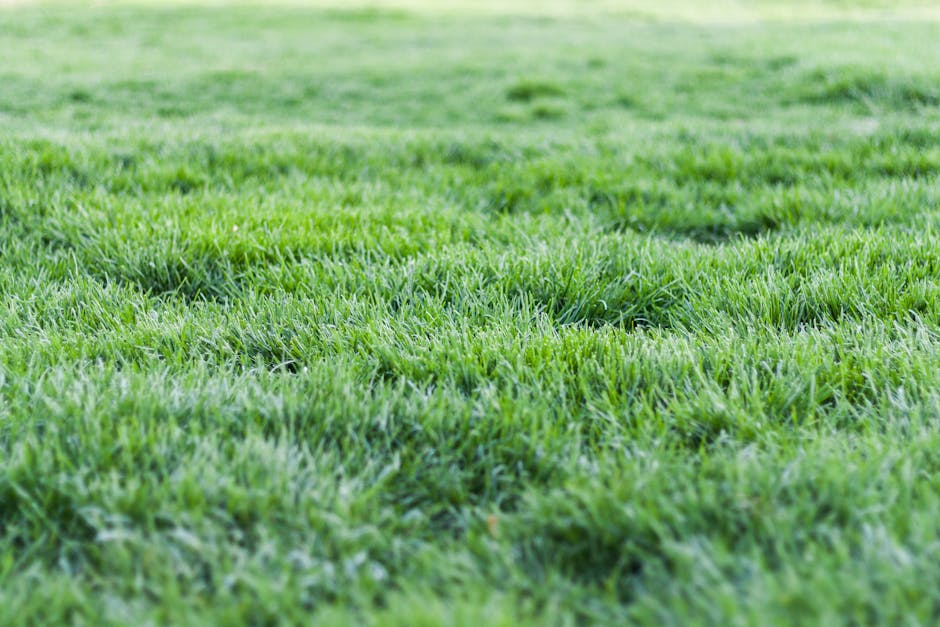
aggressively within a season. Bermuda in a shaded yard leaves bare, weedy patches where the grass simply cannot compete for light.
For full-sun properties with heavy use, Bermuda is worth evaluating. The Bermuda grass sod page covers variety selection and the maintenance schedule Bermuda requires to stay healthy in this market.
Is Centipede Grass a Good Fit for New Orleans?
Centipede is the lowest-maintenance sod option available for New Orleans lawns. It grows slowly, needs minimal fertilization compared to St. Augustine or Bermuda, and thrives in the slightly acidic soil conditions found in parts of the metro area. For homeowners who want a green lawn without committing significant time or budget to an ongoing maintenance program, Centipede is worth serious consideration.
Its limitations are real, though. Centipede does not handle shade or heavy foot traffic well. It is also sensitive to high-alkaline soil amendments, so yards that have been heavily limed may not support it. Centipede goes fully dormant in winter and takes longer to green up in spring than St. Augustine, meaning more weeks of tan lawn in January and February. The Centipede grass sod page walks through the full maintenance profile.
What Is Palmetto Sod and Who Should Use It?
Palmetto is a St. Augustine variety specifically bred for shade tolerance. Where standard Floratam starts thinning at 4 to 5 hours of sun per day, Palmetto maintains density with as little as 3 to 4 hours. For New Orleans yards under heavy tree canopy, particularly the old live oaks in Uptown, the Garden District, Lakeview, and Gentilly, Palmetto typically outperforms standard St. Augustine by a wide margin.
Palmetto has a finer blade texture than Floratam and tends toward a slightly deeper green color. It is not significantly more expensive than standard St. Augustine and handles the heat and humidity of this climate just as well. For shaded yards, it is almost always the first recommendation Big Easy Sod makes. The Palmetto sod page covers how it compares to Floratam and what installation
looks like.
How Do You Match Grass Type to Your Yard Conditions?
The decision comes down to four factors: sun exposure, irrigation availability, how much foot traffic the lawn takes, and your soil’s pH and drainage.
| Grass | Min. Sun | Water Needs | Traffic | Maintenance |
|---|---|---|---|---|
| St. Augustine | 6 hrs | High | Moderate | Moderate |
| Zoysia | 6 hrs | Low | Moderate | Low |
| Bermuda | 8 hrs | Moderate | High | High |
| Centipede | 6 hrs | Low | Low | Minimal |
| Palmetto | 3 hrs | Moderate | Moderate | Moderate |
The full side-by-side comparison, including photos of each variety, is on the types of grass sod page.
Frequently Asked Questions
What is the most popular grass type in New Orleans?
St. Augustine Floratam is the most widely installed grass in the New Orleans metro area. It handles heat, humidity, and the partial shade of typical residential yards better than the alternatives.
What grass stays green the longest in New Orleans winters?
St. Augustine and Palmetto St. Augustine come closest to year-round green in New Orleans, typically holding color into December. Zoysia and Centipede go dormant earlier, and Bermuda has the longest dormant period of the five options.
Is Zoysia better than St. Augustine for a New Orleans yard?
Zoysia is better if you want lower water requirements and do not mind a slower-establishing lawn. St. Augustine is better if you need faster establishment, better shade tolerance, or a grass that fills gaps more aggressively after damage.
What grass handles shade best in New Orleans?
Palmetto St. Augustine handles shade best among options commonly installed here, maintaining density with as little as 3 to 4 hours of direct sun per day. Standard St. Augustine and Zoysia need at least 6 hours.
Does grass type affect sod installation cost?
Yes, at the material level. Zoysia costs $0.10 to $0.25 more per square foot than St. Augustine in sod form. On a typical 3,000 square foot yard, the material difference is $300 to $750. Labor cost does not change significantly by grass type.
Can I mix grass types in my New Orleans yard?
Mixing grass types in a single lawn creates maintenance problems over time because different grasses have different mowing heights, fertilization needs, and growth rates. Planting the same variety throughout gives the most uniform, manageable result.
Not sure which grass fits your specific yard? Big Easy Sod assesses sun exposure, soil, and drainage during the free site visit and gives a specific variety recommendation before any commitment is made. Full-service sod installation includes variety selection guidance so you get the right grass for your actual conditions. Request a free quote to get started.