Quick Summary: New sod in New Orleans needs water three times daily for the first two weeks, then gradually less as roots take hold. Because sod loses roughly two-thirds of its root system during harvest, it dries out fast, especially during Louisiana summers when temperatures regularly reach 89 degrees or higher. Big Easy Sod recommends starting every irrigation session before 9 a.m. to limit evaporation and reduce the risk of large patch and gray leaf spot fungus, which thrive when grass stays wet overnight. By the end of the first month, most lawns can transition to about one inch of water per week from irrigation and rainfall combined.
Last Updated: May 2026
Getting the watering right after a sod installation is the difference between a lawn that roots fast and one that struggles through summer. New Orleans makes the job harder than most cities. The heat, the humidity, the afternoon rain that disappears by morning and leaves the soil dry again by noon. Your sod needs a schedule that accounts for all of it.
Big Easy Sod’s lawn maintenance program includes first-week guidance for every installation, but the week-by-week care falls on you. This guide breaks it down so nothing gets left to guesswork.
Why Does New Sod Need So Much Water Right After Installation?
Sod loses roughly two-thirds of its root system during harvest and installation. Those roots need to regenerate and push down into your soil before the lawn can draw moisture on its own. Until that happens, the sod dries out fast. In New Orleans heat, a lawn that looks fine in the morning can show drought stress by early afternoon.
New Orleans averages 66 inches of rainfall per year according to NOAA climate data, and humidity stays between 72% and 77% year-round. That sounds like plenty of moisture, but summer storms are unpredictable. A heavy afternoon downpour can wet the surface while leaving the soil underneath dry, which is exactly the situation new sod cannot handle.
The good news is that once roots establish, Louisiana’s rainfall does a lot of the heavy lifting. The first four weeks are the critical window.
What Is the Right Watering Schedule for the First Two Weeks?
Water three times daily for the first two weeks, running each session for 5 to 10 minutes per zone. The LSU AgCenter recommends sessions in the early morning, around midday, and once more in the late afternoon. Keep the soil consistently damp through the top few inches, not soaked to the point of standing water.
To check whether you are hitting the right depth, pull up a corner of sod at midday and press your finger into the soil underneath. If it is dry, water right away. If it still feels moist, skip that session. The sod tells you what it needs.
South-facing sections, areas near concrete driveways or sidewalks, and the edges of each sod piece dry out faster than shaded interior spots. Walk your yard after each session and look for visible seams opening between pieces. Open seams mean that section is not getting enough water.
How Does the Schedule Change After the First Two Weeks?
Around day 14 to 21, you can start scaling back. Test rooting by gripping a piece of sod and pulling gently. If it resists, the roots are attaching to the native soil. That resistance is your signal to cut from three daily sessions to one, then to every other day by the end of week three.
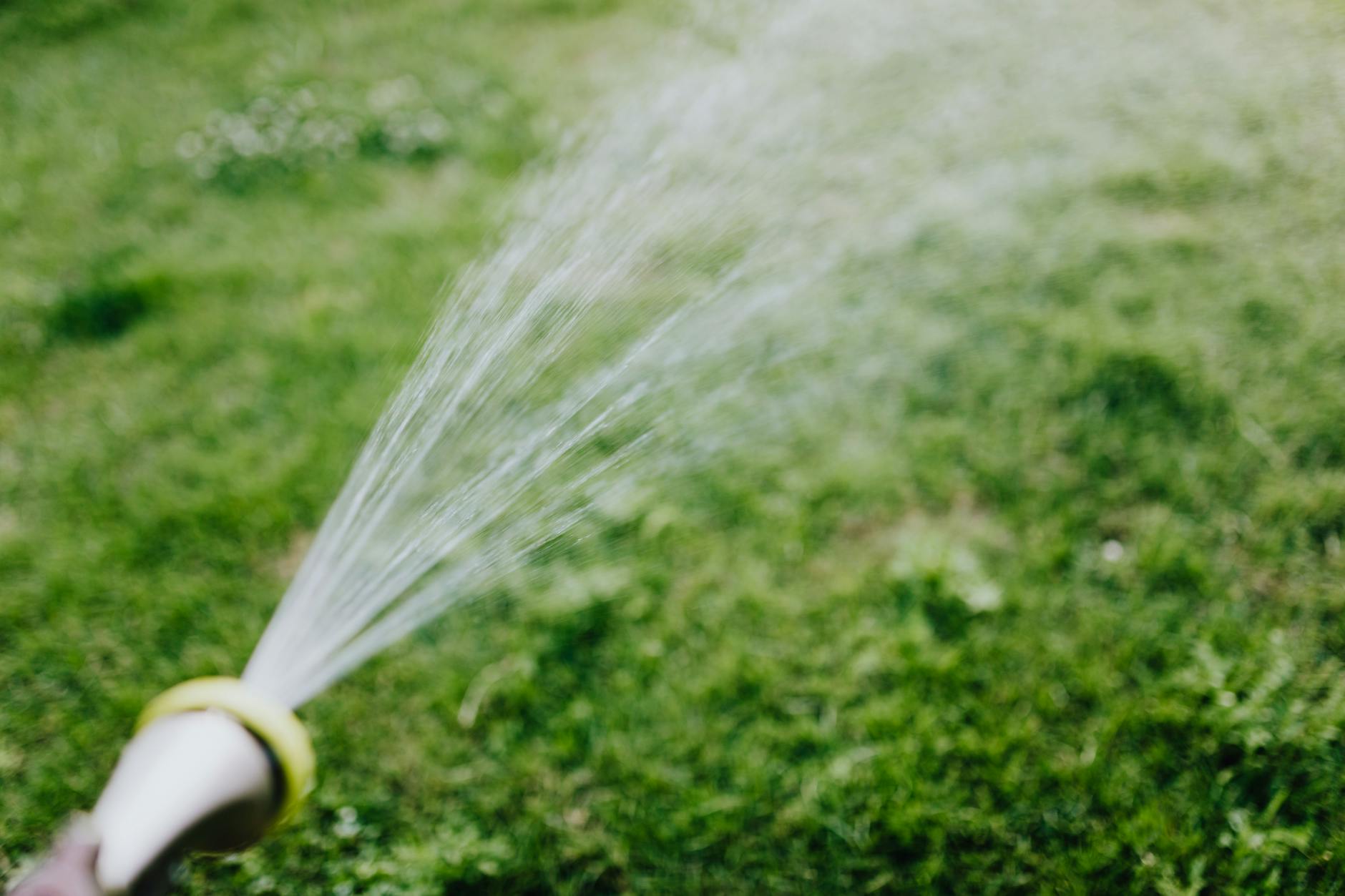
The transition is gradual, not a hard switch. A dry, windy day calls for more water. A rainy stretch means you can let the sky handle the work. Pay attention to how the grass looks and feels rather than running a rigid schedule regardless of weather.
By the end of the first month, target roughly one inch of total water per week from irrigation and rainfall combined. At this stage, deep and infrequent watering trains roots to grow downward into the soil rather than staying shallow near the surface, which builds a stronger, more drought-resistant lawn over time.
When Is the Best Time of Day to Water New Sod in New Orleans?
Water before 9 a.m. whenever possible. Morning irrigation reduces evaporation during Louisiana’s summer heat and gives grass blades enough time to dry before nightfall. Grass that stays wet overnight in New Orleans’s humid air is highly vulnerable to large patch and gray leaf spot, two of the most destructive fungal diseases in local lawns.
Afternoon watering is sometimes unavoidable during the first two weeks when you are running three daily sessions. If you run a midday session, aim to finish before the peak heat window between 11 a.m. and 2 p.m., when evaporation is highest and much of the water never reaches the root zone.
Evening watering is the one to avoid. Wet grass sitting overnight in humid NOLA conditions is an open invitation for fungal problems that are difficult to reverse once they take hold. Set your irrigation timers to finish before dark.
How Do You Tell If New Sod Is Overwatered or Underwatered?
Underwatered sod turns blue-gray, curls at the leaf tips, and does not bounce back after foot traffic. Overwatered sod goes yellow, feels spongy underfoot, and often shows mushrooms or algae near the soil. Both conditions can kill new sod within days if not caught early and corrected.
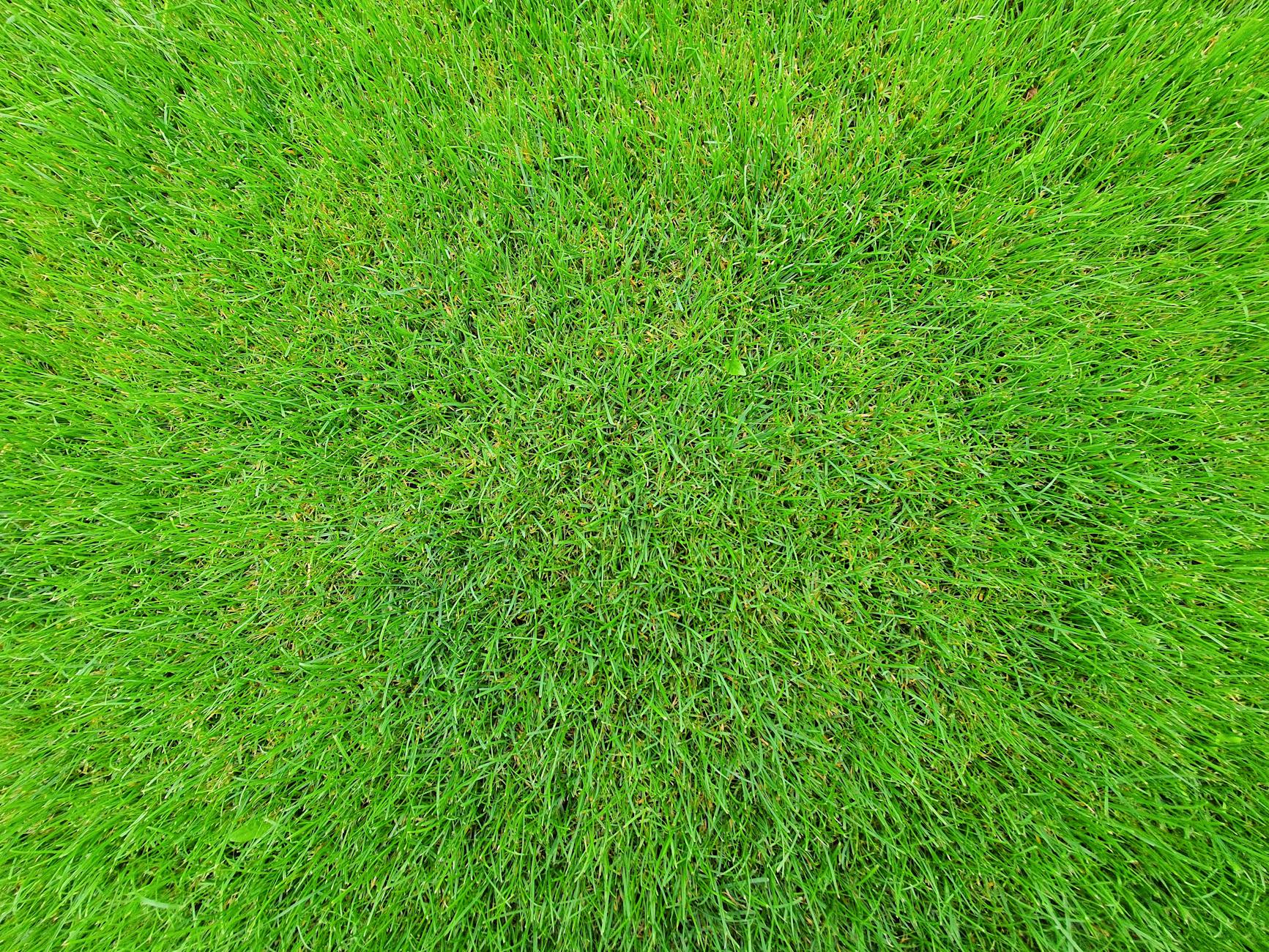
The most common mistake New Orleans homeowners make is overwatering after a storm. An afternoon downpour looks dramatic but often delivers less water than it seems. Check the soil with your finger before the next scheduled irrigation run. If it is still wet two inches down, skip that session entirely.
In July and August, when New Orleans hits highs near 89 degrees, underwatered sod can show stress within a few hours of missing a session. If you notice blue-gray patches or seams opening between sod pieces, water immediately and do not wait for the scheduled session.
Does Louisiana Rainfall Count Toward New Sod’s Water Needs?
Yes, but only if you measure it. A quarter inch of rain does not replace a full irrigation session during the first two weeks. Use a simple rain gauge or check your smart controller’s rain sensor. Light showers in New Orleans often wet only the surface without reaching the root zone where new sod needs moisture most.
Louisiana’s summertime rain pattern tends toward short, intense bursts rather than steady soaking rains. A storm might dump half an inch in 20 minutes, then the sun comes back out and the surface dries quickly. Treat any rainfall under half an inch as supplemental during the first two weeks, not a substitute for scheduled watering.
Heavy rain over one inch may let you skip your next irrigation session. After the first month, your total weekly target drops to about one inch from all sources combined. A rain gauge takes the guesswork out of that math entirely.
New Sod Watering Quick Reference
| Week | Frequency | Session Length | Goal |
|---|---|---|---|
| Weeks 1-2 | 3x daily | 5-10 min per zone | Soil damp 2-3 inches deep |
| Week 3 | Once daily | 10-15 min per zone | Soil moist, roots attaching |
| Week 4 | Every other day | 15-20 min per zone | Deeper watering, less often |
| Month 2+ | 1-2x per week | 20-30 min per zone | 1 inch total per week |
Frequently Asked Questions
How long does new sod take to root in New Orleans?
Most new sod develops initial root connections within 10 to 14 days in New Orleans’s warm climate. Full establishment, where roots have penetrated several inches into the native soil, typically takes four to six weeks depending on grass type, soil preparation, and watering consistency.
Can you walk on new sod right after installation?
Keep foot traffic to a minimum for the first two weeks. Light steps to check soil moisture are fine, but avoid heavy use, pets, or children playing on the lawn until the sod passes the tug test and resists when you try to pull up a corner.
How much water does new sod need per session in Louisiana heat?
Each session should wet the soil to a depth of two to three inches. For most sprinkler systems in Louisiana, that is 5 to 10 minutes per zone during weeks one and two. Dig up a small corner of sod after a session to verify how deep the moisture actually penetrated.
What happens if it rains on newly installed sod?
Light rain under half an inch is supplemental during the first two weeks, not a replacement for a scheduled session. Heavy rain over one inch may allow you to skip the next irrigation cycle. Always check soil moisture before deciding rather than assuming the storm delivered enough water.
Can you overwater new sod in Louisiana?
Yes, and it is a common mistake in the first week. Soggy soil starves roots of oxygen and creates ideal conditions for large patch fungus. If you notice yellowing at the seams, mushrooms near the soil line, or spongy turf that squishes underfoot, pull back your irrigation schedule immediately.
Why is my new sod turning yellow after installation?
Yellow sod usually points to overwatering or a nitrogen deficiency. Avoid fertilizing in the first 30 days unless you used a starter fertilizer at installation. If yellowing concentrates at seams or appears in circular patches, suspect a fungal issue and contact a lawn care professional.
Does St. Augustine sod need more water than other grass types?
St. Augustine handles New Orleans heat and humidity well but is more susceptible to gray leaf spot and large patch when kept too wet. Stick to the schedule above, ensure grass dries before nightfall, and you will keep the most common fungal problems in check during establishment.
Should I water new sod differently in summer versus fall in New Orleans?
Summer installations from June through September require more vigilance because heat stress can develop within hours. Fall installations from October through November often need less frequent watering since temperatures drop and evaporation slows. Adjust based on daily temperatures and actual soil moisture rather than following a fixed calendar schedule.
Stay consistent through the first four weeks and your sod will establish faster than you expect. Once roots are down, New Orleans rainfall handles most of the ongoing moisture. For long-term lawn health after establishment, including fertilization, disease prevention, and seasonal care, Big Easy Sod’s complete lawn care program keeps your grass in top shape year-round. Call us at 504-608-3321 or visit bigeasysod.com to schedule a consultation.