Quick Summary
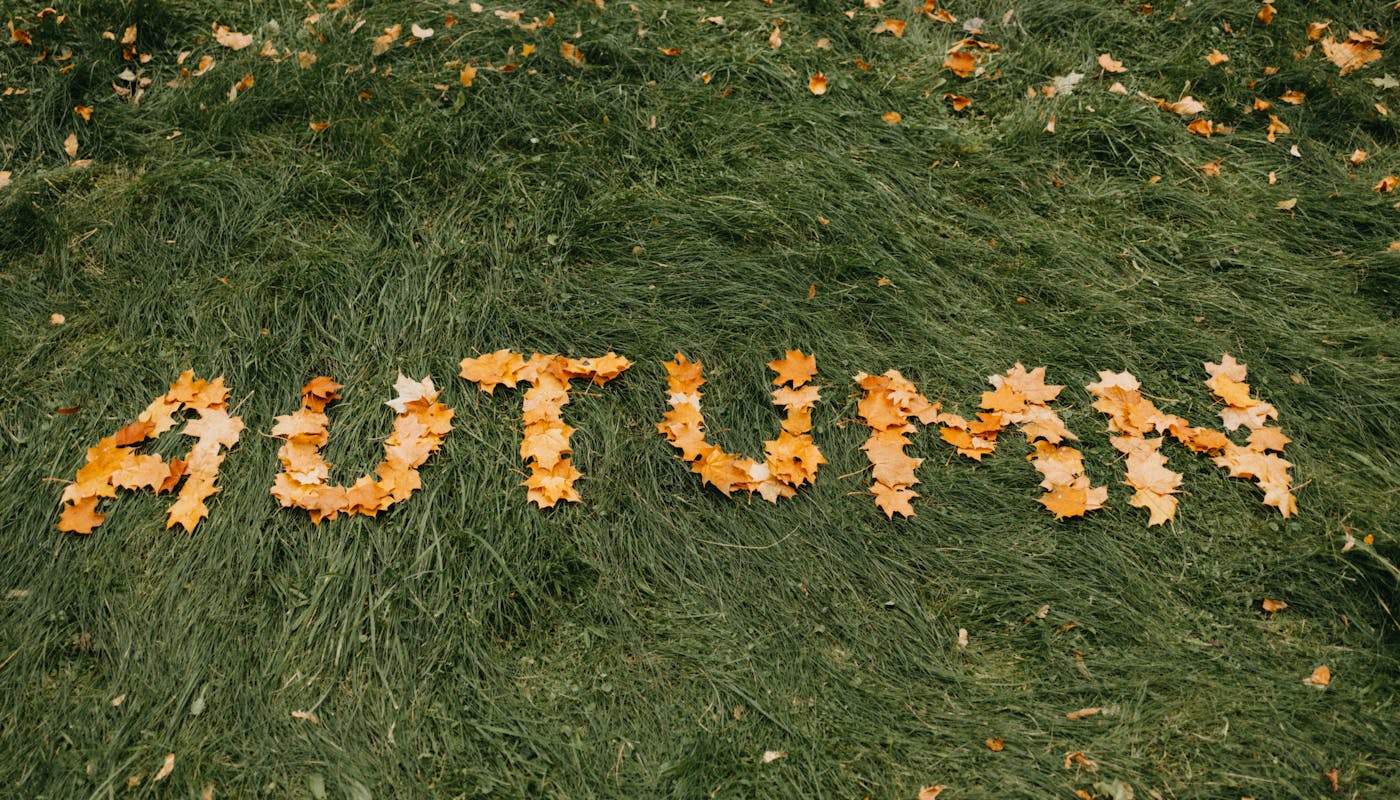
Fall is the best time to aerate most New Orleans lawns, with the optimal window running from late October through early November, just before warm-season grass enters winter dormancy. Louisiana’s clay-heavy coastal soil compacts under foot traffic and rainfall, blocking root penetration, slowing drainage, and cutting off the air space roots need to survive summer heat. Core aeration removes small plugs of soil across the lawn, relieves that compaction, and lets the channels fill with organic matter through winter rain events, improving soil structure for spring green-up. Big Easy Sod serves homeowners across Greater New Orleans, and for most residential lawns growing St. Augustine, Zoysia, or Bermuda sod on Southeast Louisiana’s dense coastal clay, one fall aeration session per year is the most impactful single maintenance step available.
Last Updated: May 2026
Fall lawn aeration gives Louisiana homeowners the most benefit when timed between late October and early November, just before grass enters dormancy, so the aeration channels fill with soil and organic matter through winter and support stronger root development come spring. Big Easy Sod recommends fall timing for most New Orleans homeowners on clay-based soil because the compaction relief carries through the dormant period and directly reduces the root stress that limits warm-season grass performance in the spring growing season. St. Augustine, Zoysia, and Bermuda sod are the three varieties most commonly installed across Greater New Orleans, and all three respond well to annual fall aeration on Louisiana’s coastal clay. Homeowners on an ongoing care plan through Big Easy Sod’s sod maintenance services can schedule aeration as part of their annual lawn care calendar.
Why Does Louisiana Clay Soil Make Aeration More Important Than in Other States?
Louisiana’s coastal clay compacts more aggressively than the sandy or loamy soils common in other Gulf states because its fine-grained particles lock together tightly under pressure, leaving almost no pore space for air, water, or nutrients to pass through. Compacted clay creates three compounding problems for New Orleans lawns: it restricts how deep roots can grow, it slows drainage until standing water accumulates after rain, and it blocks fertilizer from reaching the root zone even when applications are done correctly.
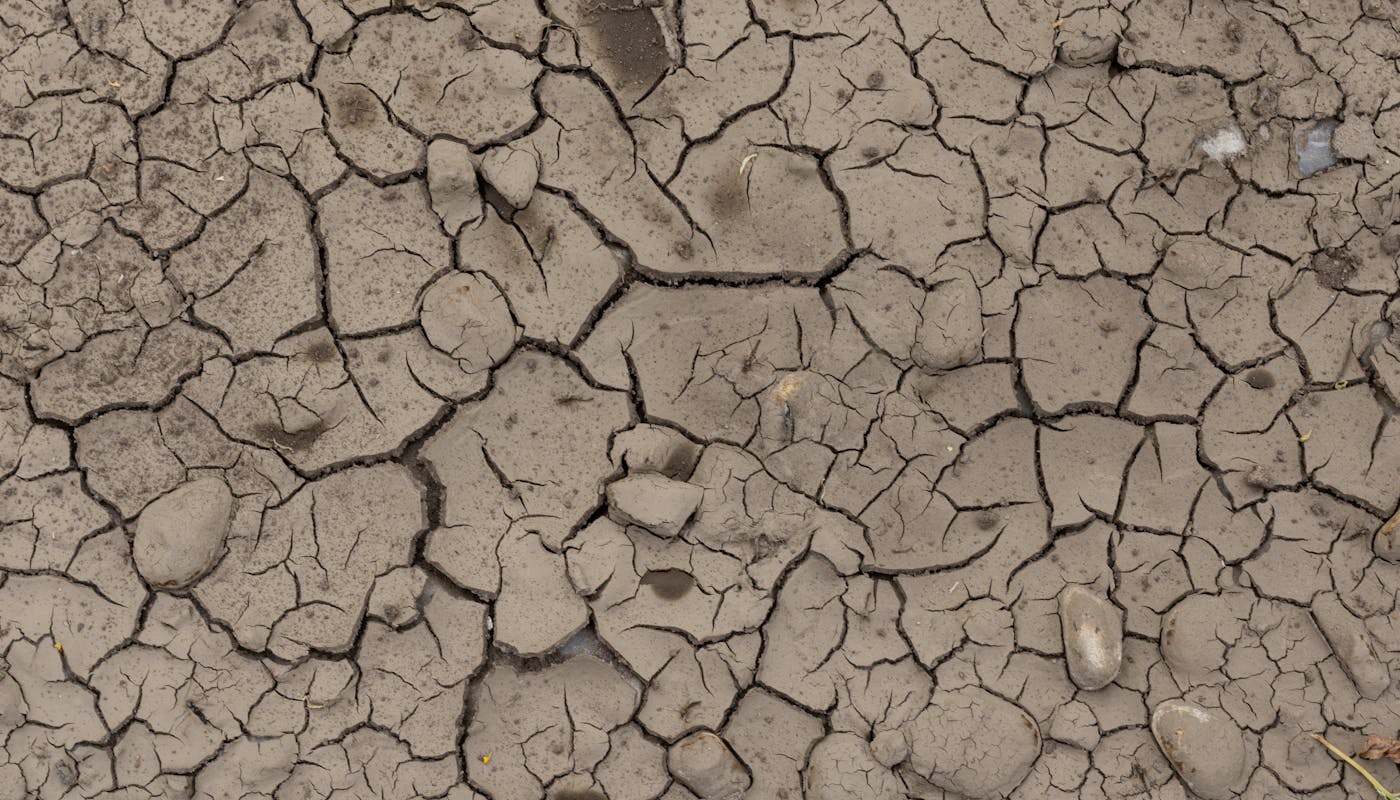
USDA Hardiness Zone 9b adds another layer to the problem. Compacted clay retains heat during summer, raising soil temperatures above the threshold where warm-season grasses experience root stress. Sandy soils in coastal Florida or Mississippi have natural pore space that limits compaction severity; Louisiana clay has almost none, which makes annual aeration a maintenance requirement rather than an optional upgrade.
- Louisiana coastal clay averages less than 5% natural pore space in compacted condition. Roots need 25% or more to develop normally.
- New Orleans receives an average of 62 inches of rainfall annually. Each rain event contributes to surface compaction through the physical impact of raindrops on exposed soil.
- Foot traffic from pets, children, and lawn equipment compounds the compaction effect between rain events, especially on the clay hardpan common in older Greater New Orleans neighborhoods.
What Does Core Aeration Actually Do to Compacted Soil?
Core aeration removes small cylindrical plugs of soil, typically 2 to 3 inches deep and spaced 3 to 4 inches apart across the entire lawn, using hollow metal tines mounted on a mechanical aerator. The holes those tines create give air, water, and nutrients a direct path to the root zone, bypassing the compacted clay layer that blocks them at the surface.
The removed plugs stay on the surface. Within two to three weeks of rainfall, they break down and return organic matter to the top layer of the soil profile. That organic matter gradually improves the clay’s long-term structure, increasing its ability to hold pore space between compaction events. A single fall aeration session produces reduced compaction, faster drainage after rain, deeper root penetration into the opened channels, and better fertilizer uptake for any application made within 48 hours of aerating.
For lawns being prepared for the cooler months, fall aeration pairs directly with the broader seasonal steps covered in preparing your New Orleans lawn for winter. The two practices work together to improve soil health through the dormant period and reduce spring recovery time.
Is Fall or Spring the Better Time to Aerate New Orleans Grass?
Fall aeration is better for most New Orleans homeowners because it allows the aeration channels to fill and the soil structure to improve through the winter dormant period, setting the lawn up for stronger spring green-up. Spring aeration is effective when timed immediately before fertilizer application at green-up, but it misses the extended soil improvement window that winter rain events provide.
| Timing | Window | Primary Benefit | Best For |
|---|---|---|---|
| Fall | Late Oct – early Nov | Soil structure improvement through winter dormancy | Most residential lawns: St. Augustine, Zoysia, Bermuda |
| Spring | Late Feb – early Mar at green-up | Maximizes fertilizer uptake at the start of the growing season | High-traffic lawns needing a second cycle; lawns that missed fall timing |
One timing note for homeowners considering overseeding: if you’re planning to overseed after aeration, read through the case for overseeding your New Orleans lawn in fall before scheduling. Most warm-season varieties grown across Greater New Orleans respond differently to overseeding than cool-season grasses do in northern climates.
How Often Does a New Orleans Lawn Actually Need Aeration?
Most New Orleans residential lawns on clay soil need core aeration once per year. High-traffic areas with pets, children, or worn foot paths benefit from twice-yearly aeration, once in fall and once at spring green-up. Lawns with light traffic and well-maintained soil can go every two years without significant compaction buildup.
The most reliable field test: push a standard 6-inch screwdriver into the lawn with hand pressure only. If it won’t go past 2 inches without forcing it, the soil is compacted enough that aeration is needed regardless of the calendar schedule. For lawns installed by Big Easy Sod within the past year, hold off on mechanical aeration until the sod has fully knit to the soil beneath it. That takes 6 to 8 weeks for St. Augustine and Bermuda in New Orleans conditions, and 8 to 12 weeks for Zoysia. Running a mechanical aerator over sod that has not fully rooted can pull the turf away from the soil rather than penetrating it cleanly.
| Grass Type | Soil Type | Recommended Frequency | Best Timing |
|---|---|---|---|
| St. Augustine | Clay (compacted) | Once per year | September–October |
| St. Augustine | Sandy or loam | Every 1–2 years | Fall preferred |
| Zoysia | Clay (compacted) | Once per year | September–October |
| Zoysia | Sandy or loam | Every 2 years | Fall or early spring |
| Bermuda | Clay (compacted) | 1–2 times per year | Spring + Fall |
| Bermuda | Sandy or loam | Once per year | Spring or Fall |
| Centipede | Any | Every 2–3 years | Spring only |
Should You Rent an Aerator or Hire a Professional in Greater New Orleans?
Core aerators are available at most equipment rental companies serving Greater New Orleans, and a rental unit works well for standard residential lots with moderately compacted soil. The critical preparation step is soil moisture: water the lawn 24 hours before aerating so the tines can penetrate the clay. Dry Louisiana clay is nearly impenetrable, and tines that cannot reach 2 inches do not create channels deep enough to help.
Hiring a professional makes more sense when:
- The lawn is severely compacted and the screwdriver test fails at less than 1 inch
- The lot is large or has landscaping obstacles requiring commercial-grade equipment
- Aeration needs to be combined with a timed post-aeration fertilizer application
- The lawn has irregular grade or soft spots where heavy rental equipment could create ruts
Big Easy Sod’s aeration and dethatching service handles core aeration and thatch removal in a single visit. Dethatching is often beneficial on the same schedule for St. Augustine lawns, which build thatch faster than Zoysia or Bermuda. How you watered through summer also affects how compacted the soil becomes heading into fall. The summer watering practices that protect sod through New Orleans heat carry directly into fall soil condition and aeration timing.
To schedule aeration or ask about a fall lawn maintenance plan, call Big Easy Sod at (504) 608-3321. The team serves homeowners across New Orleans, Metairie, Kenner, the Westbank, the Northshore, and surrounding parishes in Southeast Louisiana.
Frequently Asked Questions
When is the best time to aerate a lawn in Louisiana?
Late October through early November is the best window for lawn aeration in Louisiana. That timing lets the aeration channels fill and improve soil structure through winter rain events before warm-season grasses like St. Augustine, Zoysia, and Bermuda break dormancy in spring.
Does aeration help with standing water on a New Orleans lawn?
Yes. Core aeration directly addresses the compacted clay layer that slows drainage on most Greater New Orleans residential lawns. By opening channels through the dense clay, aeration allows surface water to drain into the soil profile rather than pooling on top, making it one of the most effective non-grading solutions for minor standing water problems on Louisiana lots.
How deep should aeration tines go in Louisiana clay soil?
Tines should reach 2 to 3 inches deep in Louisiana clay to penetrate the compacted zone below the thatch and surface roots. Aeration that only reaches 1 inch or less breaks up the top layer but does not create channels deep enough to benefit root growth or improve drainage.
Can you aerate a lawn right after it rains in New Orleans?
No. Saturated clay smears into tine holes rather than forming clean channels, and a mechanical aerator on wet soil creates ruts. The ideal condition is moist but not saturated. Water the lawn 24 hours before aerating if recent rain has not done so, and wait at least 48 hours after heavy rainfall before running the equipment.
Is aeration the same as dethatching for St. Augustine grass?
No. Aeration uses hollow tines to remove soil plugs and relieve compaction. Dethatching removes the layer of dead organic material between the grass blades and the soil surface. St. Augustine grass builds thatch faster than most other warm-season varieties, so the two services are often scheduled together on St. Augustine lawns in New Orleans, but they use different equipment and address different problems.
Does Big Easy Sod provide lawn aeration in New Orleans?
Yes. Big Easy Sod provides core aeration and dethatching services across Greater New Orleans, including Metairie, Kenner, the Westbank, and surrounding parishes in Southeast Louisiana. Call (504) 608-3321 to schedule or ask about fall lawn maintenance options.